

BODIPY 493/503
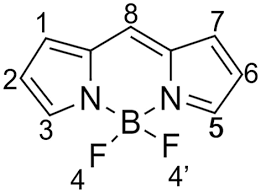
BODIPY 493/503 (4,4-Difluoro-1,3,5,7,8-Pentamethyl-4-Bora-3a,4a-Diaza-SIndacene) usually employed for the quantification of neutral lipid content by utilizing flow cytometry and for the observation of lipid droplets by microscopy, is a fluorescent and a neutral lipid.
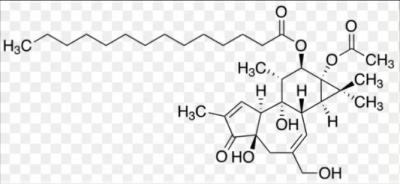
12-o-tetradecanoylphorbol-13-acetate (TPA, PMA)
Within the field of normal disquisition, certain mixes play a critical portion in unleashing the bigwig data of cellular forms and understanding complex common fabrics. Chemical mixes have continuously charmed experimenters with their one of a kind packages and empirical operations.
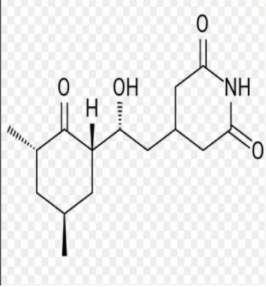
Cycloheximide
Produced by the bacterium Streptomyces griseus, Cycloheximide is a glutarimide antibiotic, occupying a unique space in the scientific tool box due to its antifungal properties and potential role in the inhibition of protein synthesis.
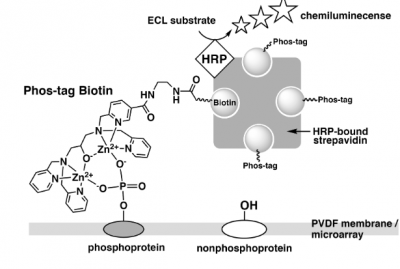
Phos-tag biotin BTL-104
A monobiotinylated Phos-tag derivative called BTL-104 is used to identify phosphopeptides and phosphoproteins. When the ligand molecule and biotin combine to form a functional conjugate (Phos-tag Biotin BTL-104), phosphorylated analytes on a PVDF membrane can be seen, making Phos-tagTM a potent tool.
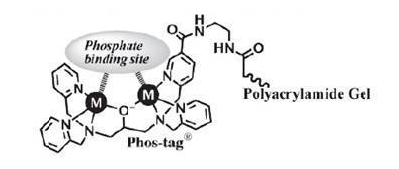
Phos-tag Acrylamide
A useful chemical called Phos-tagTM is capable of capturing phosphorylated His/Asp/Lys and Ser/Thr/Tyr. It is a synthetic chemical molecule that was created using the catalytic domain of alkaline phosphatase as a model. Phos-tagged proteins can be separated, detected, analyzed using mass spectrometry, and purified using a range of procedures that use Phos-tagTM. An innovative and useful method for the enrichment and analysis of phosphorylated proteins is offered by phospho-tag acrylamide,
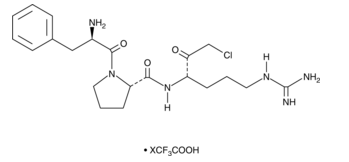
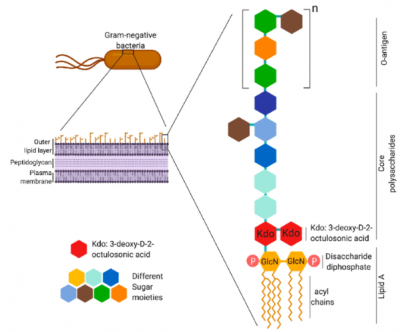
Lipopolysaccarides
LPS from members of the Enterobacteriaceae family has undergone structural analysis,

Cefiderocol (S-649266)
Cefiderocol is an antibiotic that is prescribed to treat severe urinary tract infections when no other treatment alternatives are available. It is marketed under the trade name Fetroja among others.
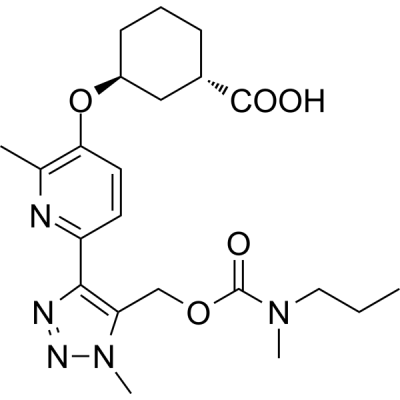
BMS-986278
With a human LPA1Kb of 6.9 nM, the oxycyclohexyl acid BMS-986278 is a strong antagonist of the lysophosphatidic acid receptor 1 (LPA1). We present the structure–activity relationship (SAR) research that began with the therapeutic drug BMS-986020 (1), an LPA1 antagonist, and ended with the discovery of BMS-986278. BMS-986278's comprehensive preclinical pharmacology profiles in vitro and in vivo, along with its pharmacokinetics and metabolic profile, are explained. It was advanced into clinical trials, including an ongoing Phase 2 clinical trial in patients with lung fibrosis, on the basis of its in vivo efficacy in rodent chronic lung fibrosis models and excellent overall ADME (absorption, distribution, metabolism, excretion) properties in multiple preclinical species.

IraZolve-Mito
With a high selectivity for mitochondria in living cells, IRAZOLVE-MITO (iridium complexed with cyclometalated 2-phenylpyridine and the 5-(5-(4-cyanophen-1-yl) pyrid-2-yl)tetrazolate ligand) exhibits an emission spectrum in the 505–625 nm range 22. In contrast to organic fluorophores,