


Myocardial Contractility
Produkte für Myocardial Contractility
- Bestell-Nr. Artikelname Informationen
-
GC41661
(±)-4-hydroxy Propranolol β-D-Glucuronide
(±)-4-hydroxy Propranolol β-D-glucuronide is a metabolite of (±)-4-hydroxy propranolol, which is a metabolite of propranolol.

-
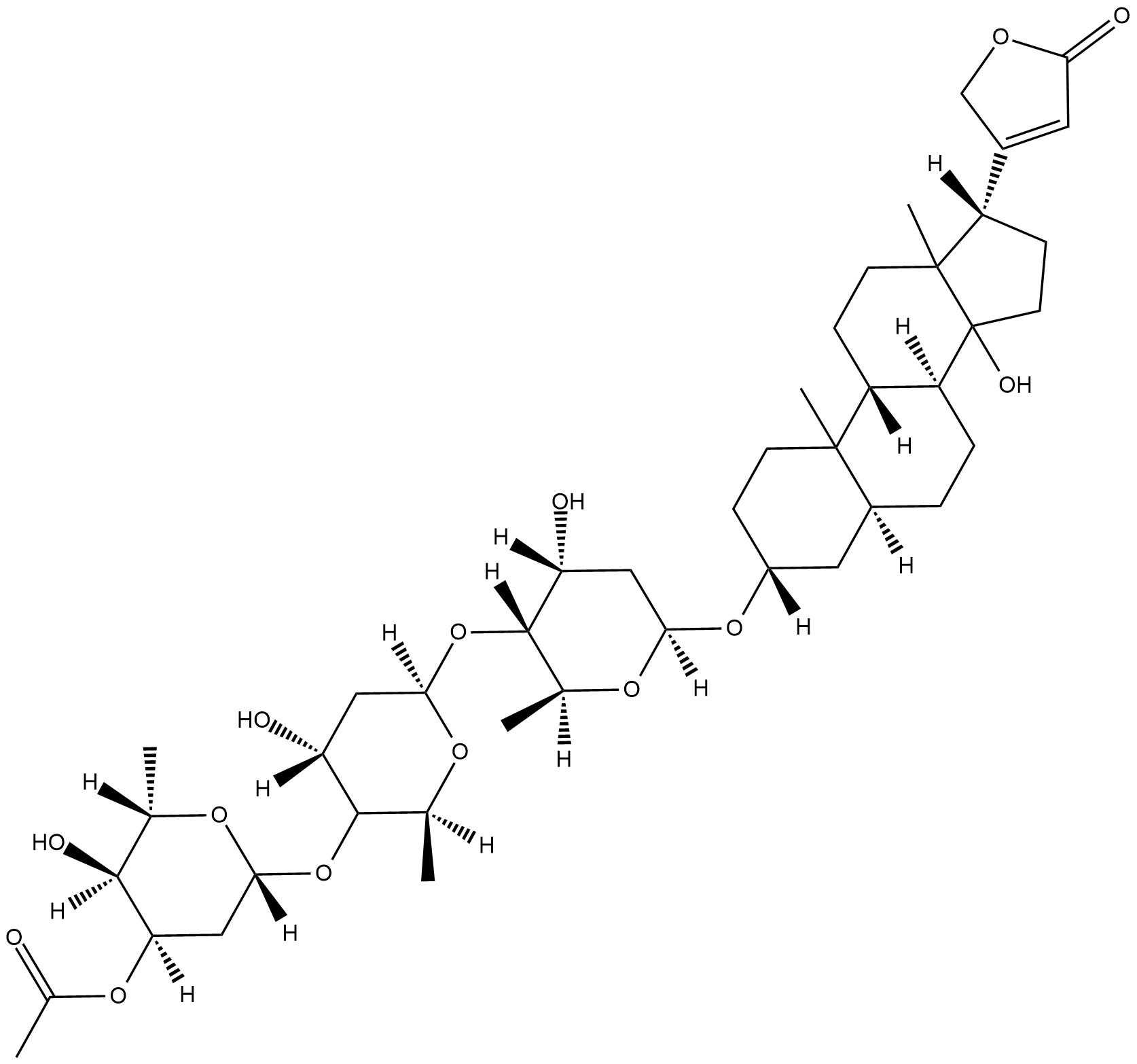
GC18474
Acetyldigitoxin
Acetyldigitoxin (Digitoxin 3'''-Acetat) ist ein Herzglykosid.
-
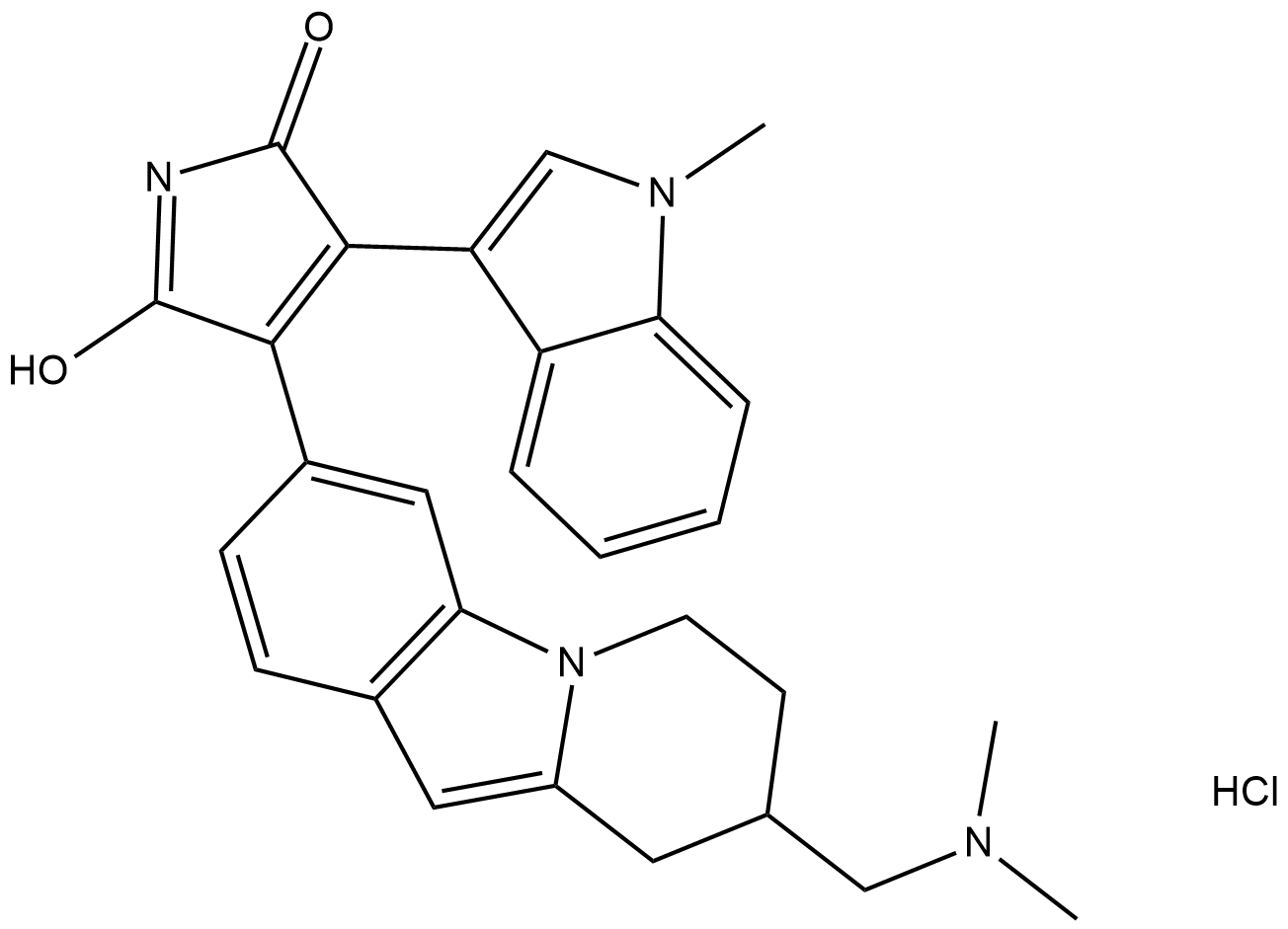
GC18716
Bisindolylmaleimide XI (hydrochloride)
Bisindolylmaleimid XI (Hydrochlorid) (Ro 32-0432) ist ein potenter, selektiver und oral aktiver PKC-Inhibitor mit IC50-Werten von 9 nM, 28 nM, 31 nM, 37 nM und 108 nM für PKCα, PKCβI, PKCβII, PKCγ und PKCε , beziehungsweise.
-
GC43062
C2 Ceramide (d14:1/2:0)
C2 Ceramide (d14:1/2:0) ist eine Zusammensetzung zur Diagnose von Krankheiten, die mit einer Überexpression von Cyclooxygenase 2 (COX2) verbunden sind. C2-Ceramid (d14:1/2:0) zeigt eine starke BindungsaktivitÄt an das COX2-Protein (aus dem Patent WO2019235824A1 entnommen).

-
GC41449
Carbazeran
Carbazeran, ein potenter Phosphodiesterase-Hemmer, ist ein Aldehyd-Oxidase-Substrat.

-
GC49197
Carbinoxamine-d6 (maleate)
An internal standard for the quantification of carbinoxamine

-
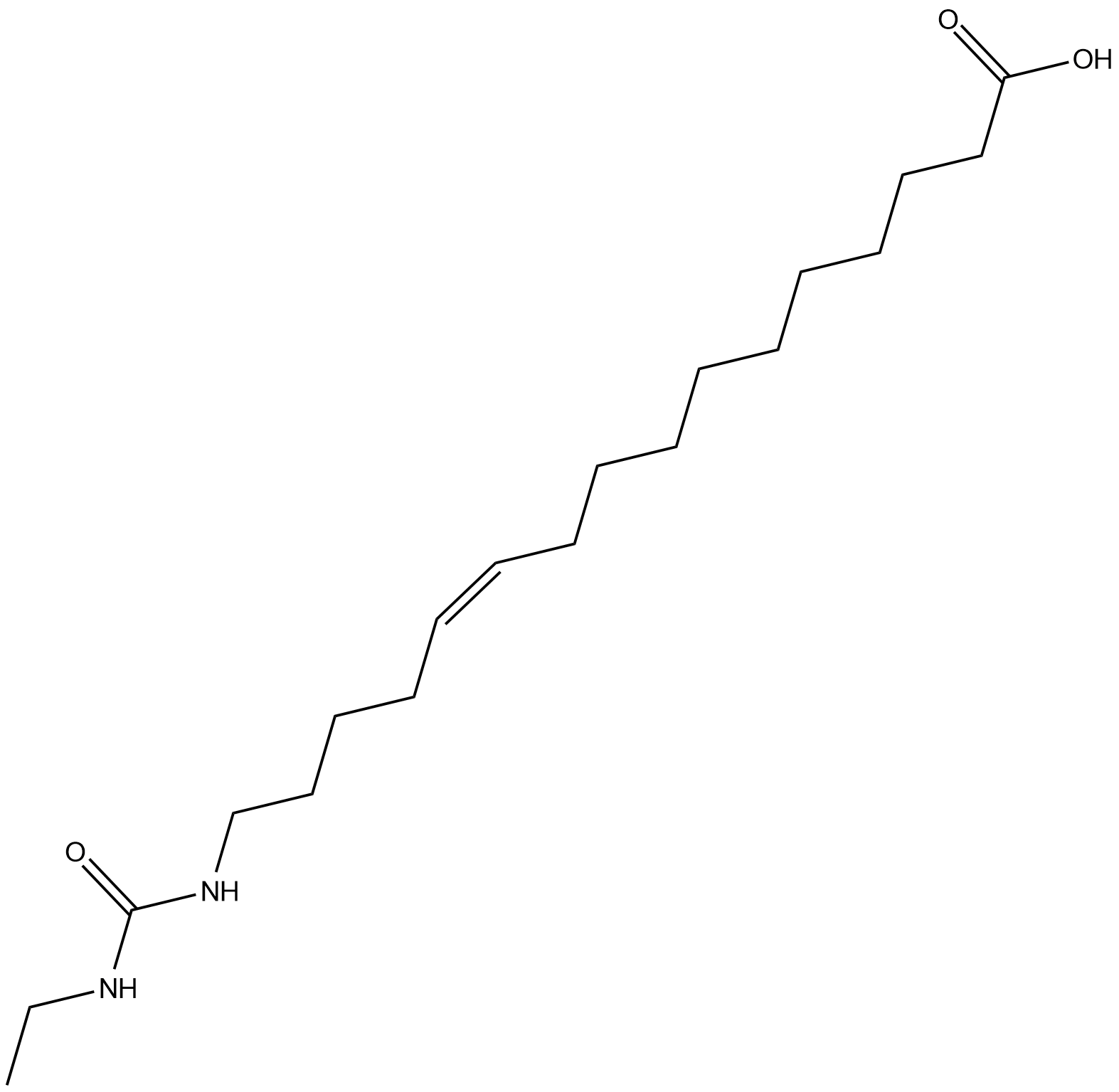
GC18879
CAY10662
17(R),18(S)-Epoxyeicosatetraenoic acid (17(R),18(S)-EpETE), a natural cytochrome P450 epoxygenase metabolite of eicosapentaenoic acid, is known to reduce the contraction rate of spontaneously beating heart cells and to protect neonatal rat cardiomyocytes against arrhythmias induced by β-adrenergic agonists (EC50 = ~ 1-2 nM).
-
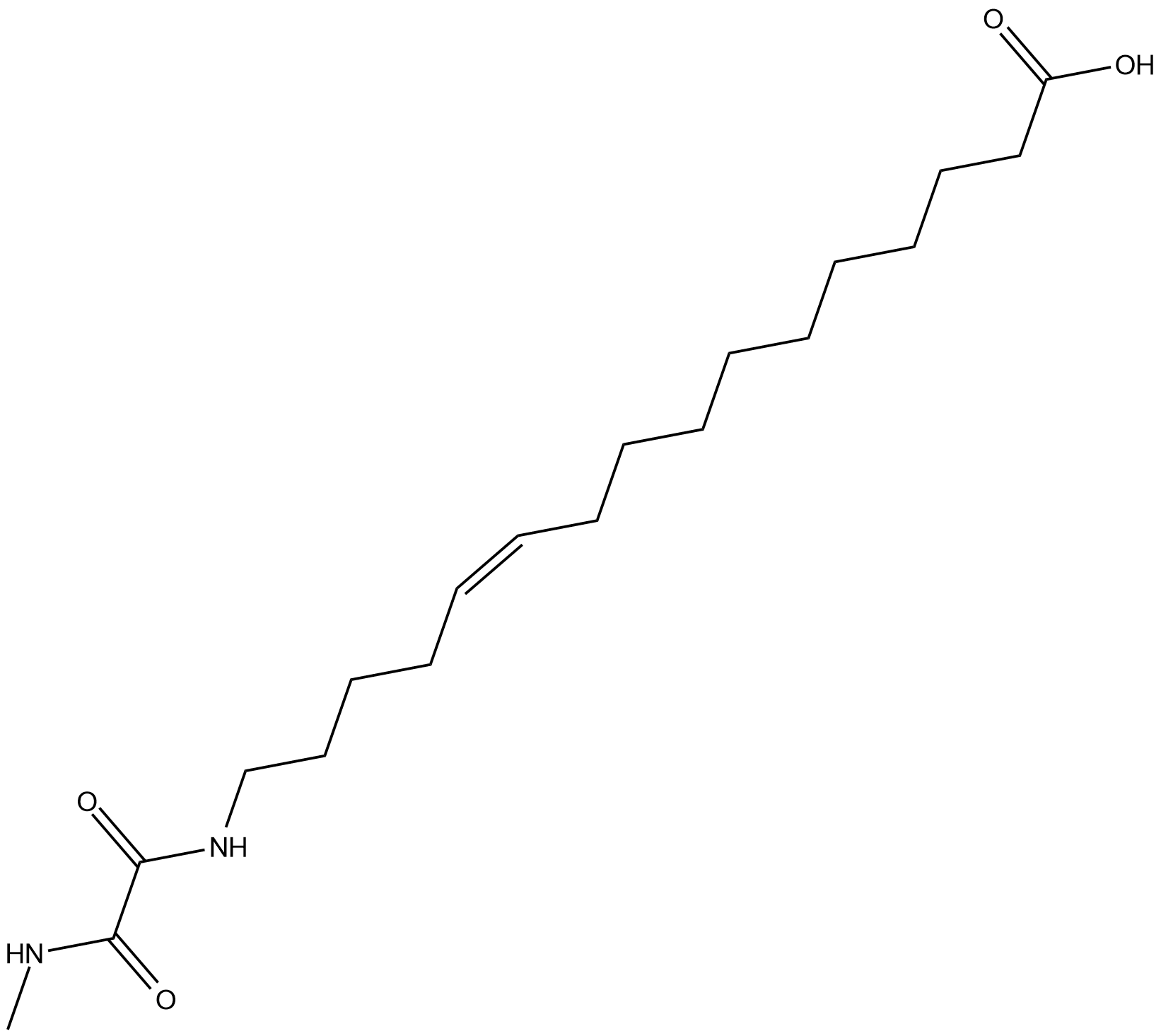
GC18698
CAY10665
Isolated neonatal rat cardiomyocytes, which spontaneously beat in culture, are used to evaluate the antiarrhythmic effects of polyunsaturated fatty acids (PUFA).
-
GC41485
Digitoxigenin
Digitoxigenin is a cardenolide and aglycone constituent of digitoxin, an extract from the foxglove plant, D.

-
GC49842
Digoxigenin Bisdigitoxoside
A Na+/K+-ATPase inhibitor

-
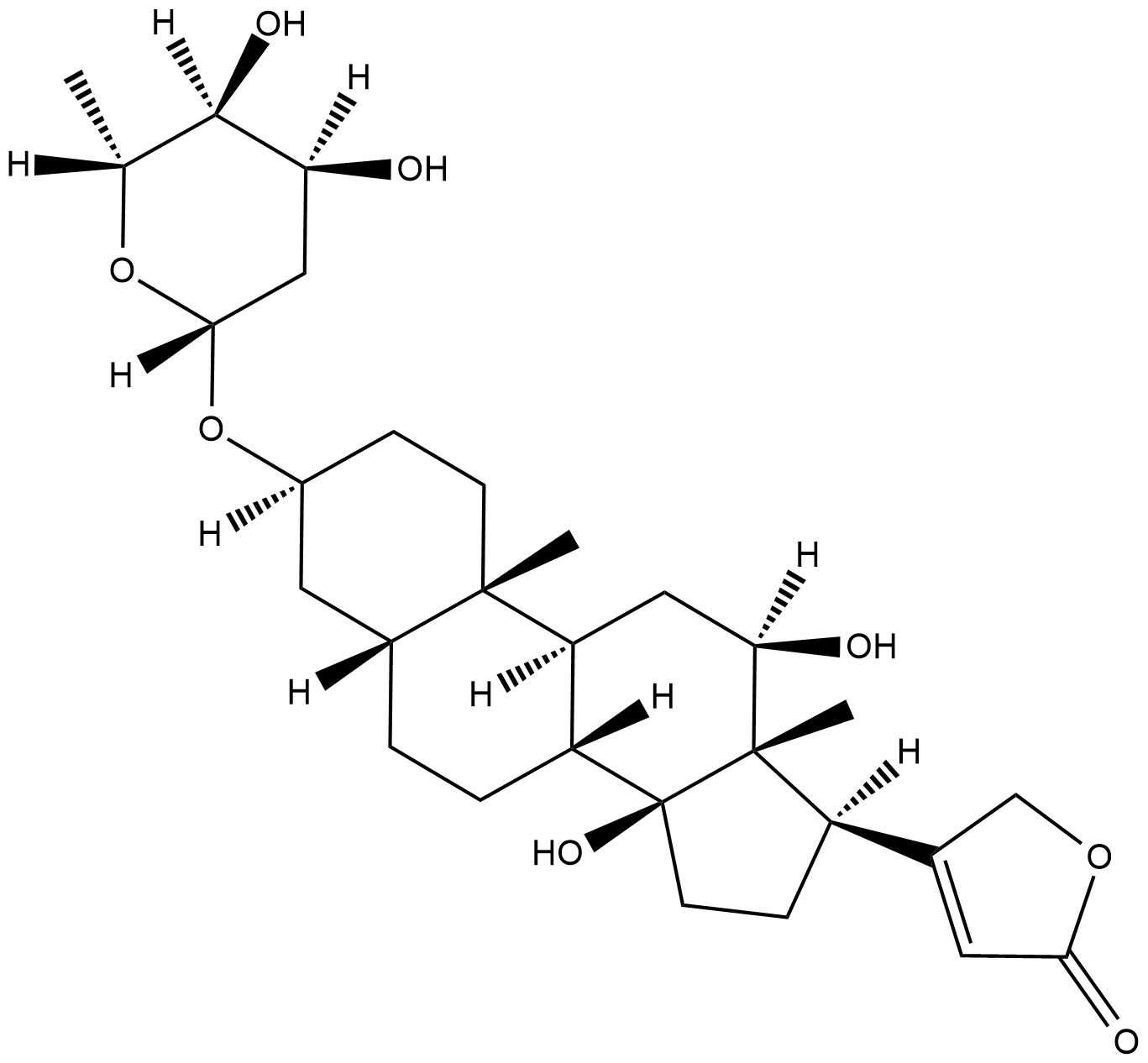
GC18455
Digoxigenin Monodigitoxoside
Digoxigenin-Monodigitoxosid ist ein Na+/K+-ATPase-Hemmer und Herzglykosid-Metabolit von Digoxin.
-
GC52035
Esmolol Acid (hydrochloride)
An active metabolite of esmolol

-
GC47307
Esmolol-d7 (hydrochloride)
An internal standard for the quantification of esmolol

-
GC49250
Hydroxydehydro Nifedipine Carboxylate
A metabolite of nifedipine

-
GC45728
Iohexol-d5
Iohexol-d5 ist Deuterium-markiertes Iohexol. Iohexol ist ein RÖntgenkontrastmittel und kann in vivo fÜr Myelographie, Computertomographie (Zisternographie, Ventrikulographie) und MicroCT-Bildgebung angewendet werden.

-
GC44013
KR-32568
KR-32568 is an inhibitor of the sodium-hydrogen exchanger isoform-1 (NHE-1; IC50 = 230 nM).

-
GC47597
Manidipine-d4
An internal standard for the quantification of manidipine

-
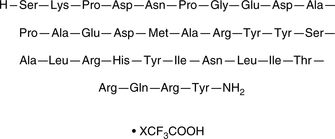
GC44384
Neuropeptide Y (3-36) (human, rat) (trifluoroacetate salt)
Neuropeptide Y (NPY) (3-36) is a C-terminal fragment of NPY, a neuropeptide involved in controlling appetite, blood pressure, cardiac contractility, and intestinal secretion.
-
GC52019
Norpropranolol (hydrochloride)
An active metabolite of propranolol

-
GC49024
Palmitic Acid MaxSpec® Standard
A quantitative analytical standard guaranteed to meet MaxSpec® identity, purity, stability, and concentration specifications

-
GC49023
Palmitic Acid-d9 MaxSpec® Standard
A quantitative analytical standard guaranteed to meet MaxSpec® identity, purity, stability, and concentration specifications

-
GC45903
Quazinone
A PDE3 inhibitor

-
GC44803
rac-7-hydroxy Propranolol (hydrochloride)
rac-7-hydroxy Propranolol (hydrochloride) is a ring-hydroxylated isomer and metabolite of propranolol that is an antagonist at β-adrenergic receptors (0.95 potency relative to propranolol).

-
GC45096
Tyr-α-CGRP (human) (trifluoroacetate salt)
Tyr-α-CGRP is an N-terminal extended tyrosinated analogue of α-calcitonin gene-related peptide.

24 Artikel
pro Seite