

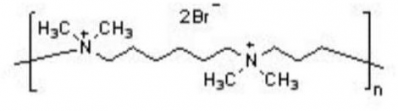
Polybrene
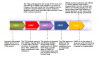
In the realm of molecular biology and genetic engineering, the delivery of genetic material into cells is a fundamental step that enables researchers to study gene function, protein expression, and even the potential treatment of genetic diseases.
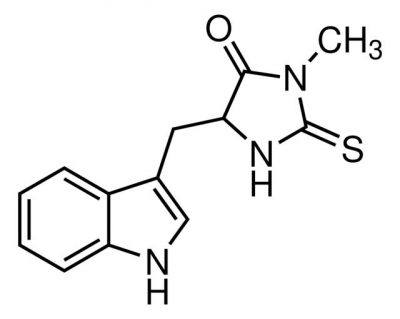
Necrostatin-1
A cell-permeable, potent, and selective blocker of necroptosis (EC50 = 494 nM in FADD-deficient Jurkat cells treated with TNF-α), a non apoptotic necrotic cell death pathway mediated by death-domain receptors (DRs) that offers neuroprotection in a murine model of ischemic brain injury.
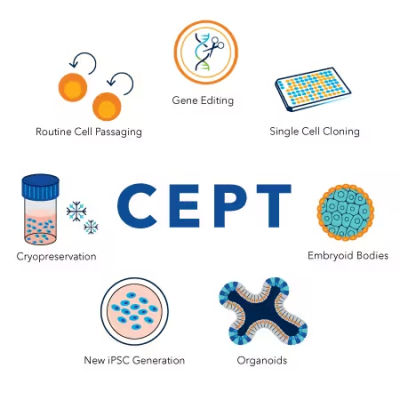
CEPT Cocktail
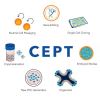
CEPT, the combination of Chroman 1, Emricasan, a Polyamine solution, and Trans-ISRIB, has been found to secure several applications in research, regenerative medicine, cell therapy, cryobiology, and drug development to enhance the viability and expansion of human pluripotent stem cells in culture or to upgrade the functionality of multiple derived cell types.
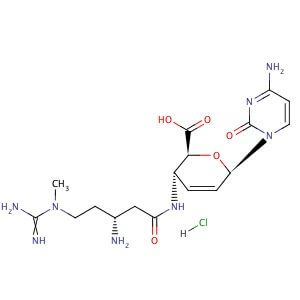
Blasticidin S HCL
Blasticidin S HCL being a nucleoside analogue antibiotic, exhibits broad-spectrum efficacy against eukaryotic and prokaryotic cells. Isolated from Streptomyces griseochromogenes. Blasticidin S serves as the selection agent while demonstrating many antiviral, anti-tumor, and antifungal properties way beyond its antimicrobial activity.
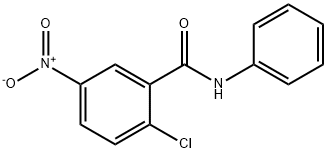
GW9662
GW9662 exhibits half maximal inhibitory concentration (IC50) of 3.3 nM and is a well-characterized inhibitor of peroxisome proliferator-activated receptor gamma (PPARγ), demonstrating high selectivity for PPARy with the inhibitory activity greater for PPARγ about 10 to 600 times compared to PPARα and PPARδ in cellular environments.
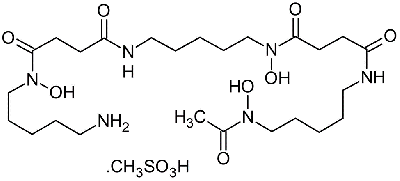
Deferoxamine Mesylate
In the vast expanse of medical science, where each discovery is a step towards unraveling the mysteries of human health, Deferoxamine Mesylate emerges as a pivotal breakthrough in the realm of iron chelation therapy.
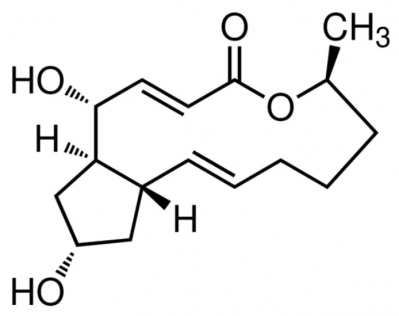
Brefeldin A
Cytotoxin Produced by diverse kinds of fungi e.g Paecilomyces sp. And Aspergillus clavatus isolated from Taxus mairei and Torreya grandis from Southeast china, 12,15-Dihydroxy-7-methyl-8-oxabicyclo[11.3.0]hexadeca-2,10-dien-9-one also called as Brefeldin A (BFA) is a lactone antibiotic and a specific inhibitor of protein trafficking. Brefeldin A blocks the transport of secreted and membrane proteins from endoplasmic reticulum to Golgi apparatus. Brefeldin A is also an autophagy and mitophagy inhibitor.
Mdivi 1
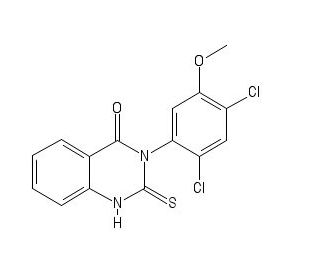
Mitochondrial division inhibitor-1 (Mdivi-1) ( mol.weight : 353.22, empirical formula: C15H10Cl2N2O2S) is a small chemical inhibitor of mitochondrial division dynamin, which plays multiple roles in mitochondrial dynamics, mitochondrial autophagy, ATP production, the immune response, and Ca²⁺ homeostasis.
RIPA Lysis Buffer (Strong)
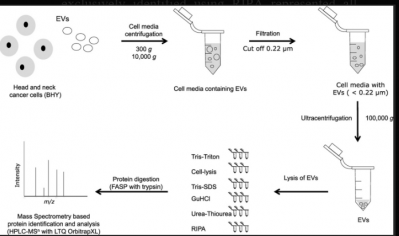
RIPA Lysis Buffer is a traditional rapid lysis buffer for cellular tissues. It is a lysis and washing buffer that is used in reporter gene detection, protein kinase experiments, immunoassays, and protein purification.