

FGF 2 Human |
Catalog No.GP20210
 One-Click Copy Product Info
|

Fibroblast Growth Factor-Basic Human Recombinant
Products are for research use only. Not for human use. We do not sell to patients.
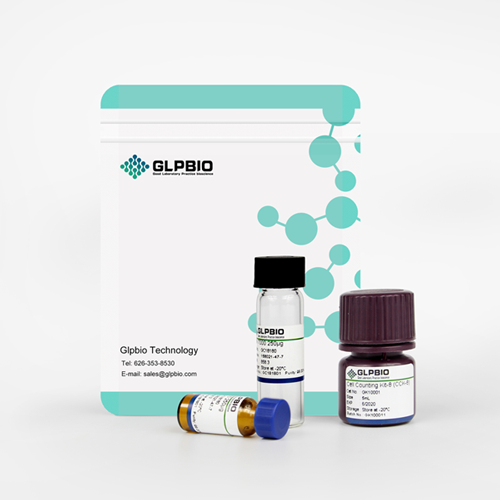
Sample solution is provided at 25 µL, 10mM.
_1-3.$$$39978408@51.jpg');)
_1-9.$$$38538795@65.jpg');)
_1-9.$$$39112701@51.jpg');)
_1-7.$$$37316672@70.jpg');)
_366-372.$$$36198801@70.jpg');)
.$$$38565142@65.jpg');)
_1867-1883.$$$33248023@67.jpg');)
_eads6055.$$$39977546@45.jpg');)
_eadm9805.$$$40080571@45.jpg');)
_eadj3020.$$$39666821@45.jpg');)
_1-20.$$$39757301@28.jpg');)
_1-24.$$$38898113@28.jpg');)
_273-287.$$$36806353@46.jpg');)
_1-16.$$$37156877@44.jpg');)
_1-19.$$$37460805@44.jpg');)
_1291-1307.$$$34518654@46.jpg');)
Fibroblast Growth Factor-2 Human Recombinant (FGF-2) produced in E.Coli is a single, non-glycosylated, polypeptide chain containing 154 amino acids and having a molecular mass of 17.2kDa.The FGF-b is purified by proprietary chromatographic techniques.
| Purity | > 95% as analyzed by SDS-PAGE | Source | Escherichia Coli. |
| Phycical Appearance | Sterile Filtered White lyophilized (freeze-dried) powder | Shipping Condition | Shipped at dry ice. |
| Synonyms | Prostatropin; HBGH-2; HBGF-2; FGF-2; FGF-b. | ||
| Amino Acid Sequence | AAGSITTLPA LPEDGGSGAF PPGHFKDPKR LYCKNGGFFL RIHPDGRVDG VREKSDPHIK LQLQAEERGV VSIKGVCANR YLAMKEDGRL LASKCVTDEC FFFERLESNN YNTYRSRKYT SWYVALKRTG QYKLGSKTGP GQKAILFLPM SAKS. | ||
| Formulation | Lyophilized after extensive dialysis against PBS. | ||
Basic fibroblast growth factor is a member of the fibroblast growth factor (FGF) family. FGF family members possess broad mitogenic and cell survival activities, and are involved in a variety of biological processes, including embryonic development, cell growth, morphogenesis, tissue repair, tumor growth and invasion. This protein functions as a modifier of endothelial cell migration and proliferation, as well as an angiogenic factor. It acts as a mitogen for a variety of mesoderm- and neuroectoderm-derived cells in vitro, thus is thought to be involved in organogenesis. Three alternatively spliced variants encoding different isoforms have been described. The heparin-binding growth factors are angiogenic agents in vivo and are potent mitogens for a variety of cell types in vitro. There are differences in the tissue distribution and concentration of these 2 growth factors.
ED50 < 0.25 ng/ml, measured by the cell proliferation assay using 3T3 cells, corresponding to a specific activity of > 4.0 × 10⁶ U/mg
Upon receiving, this product remains stable for 6 months at lower than -70°C. Upon reconstitution, the product should be stable for 1 week at 4°C or for 3 months at -20°C. For long term storage it is recommended that a carrier protein (example 0.1% BSA) be added. Avoid repeated freeze-thaw cycles.
Average Rating: 5 (Based on Reviews and 39 reference(s) in Google Scholar.)