

CY-09 |
Catalog No.GC19113
 One-Click Copy Product Info
|

CY-09 is a selective NLRP3 inflammasome inhibitor.
Products are for research use only. Not for human use. We do not sell to patients.
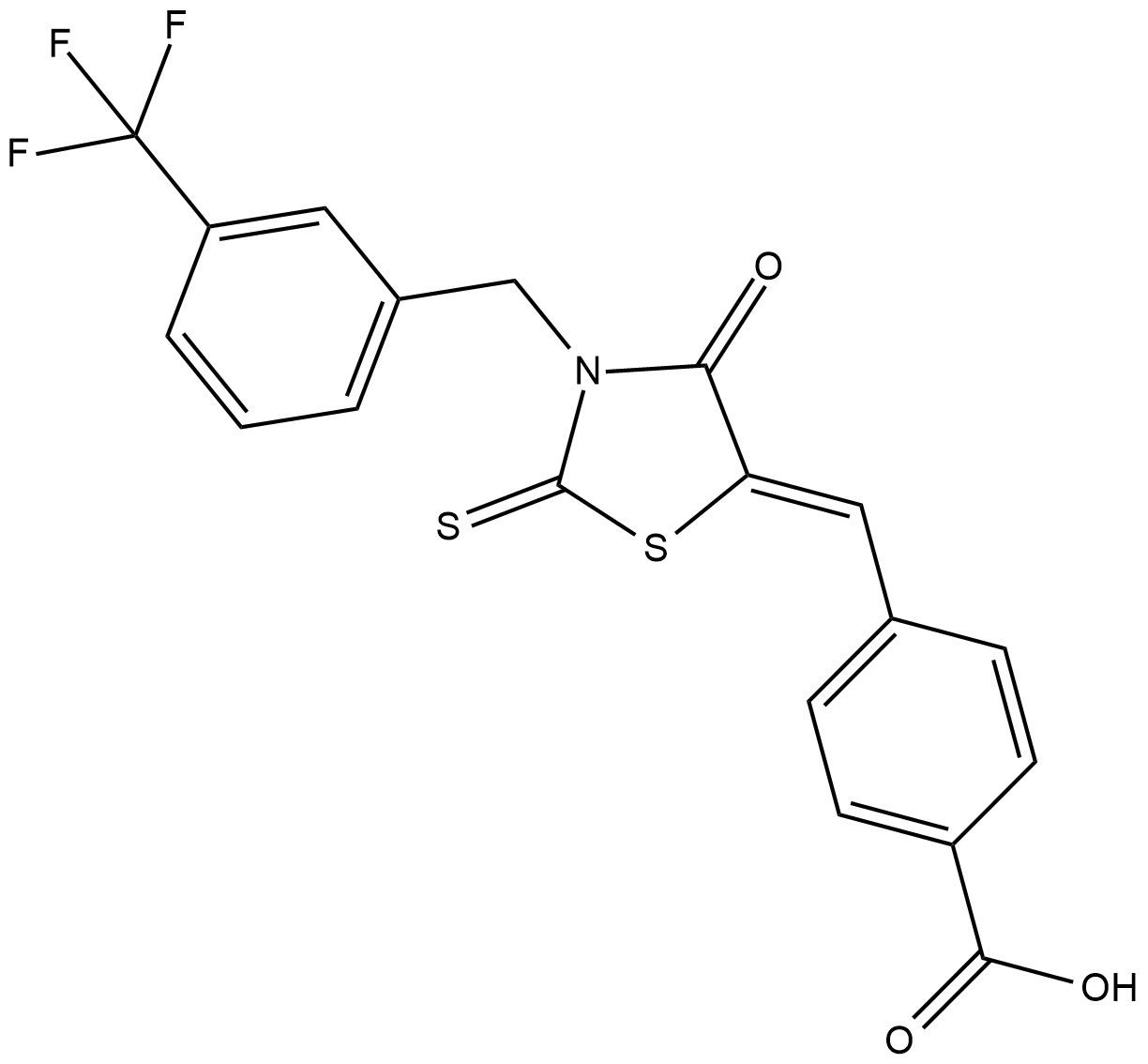
Cas No.: 1073612-91-5
Sample solution is provided at 25 µL, 10mM.
_1-3.$$$39978408@51.jpg');)
_1-9.$$$38538795@65.jpg');)
_1-9.$$$39112701@51.jpg');)
_1-7.$$$37316672@70.jpg');)
_366-372.$$$36198801@70.jpg');)
.$$$38565142@65.jpg');)
_1867-1883.$$$33248023@67.jpg');)
_eads6055.$$$39977546@45.jpg');)
_eadm9805.$$$40080571@45.jpg');)
_eadj3020.$$$39666821@45.jpg');)
_1-20.$$$39757301@28.jpg');)
_1-24.$$$38898113@28.jpg');)
_273-287.$$$36806353@46.jpg');)
_1-16.$$$37156877@44.jpg');)
_1-19.$$$37460805@44.jpg');)
_1291-1307.$$$34518654@46.jpg');)
CY-09 is a selective NLRP3 inflammasome inhibitor. CY-09 directly binds to the ATP-binding motif of the NACHT domain of NLRP3 and inhibits NLRP3 ATPase activity, thereby blocking NLRP3 inflammasome assembly and activation. CY-09 can be used in research on NLRP3-driven diseases such as inflammatory diseases, type 2 diabetes, non-alcoholic fatty liver disease, post-myocardial infarction cardiac fibrosis, and Alzheimer's disease[1-4].
In vitro, THP-1 cells were pretreated with 20µM CY-09 for 30 minutes, then stimulated with 1µg/mL LPS for 3 hours and 4µM nigericin for 1 hour. CY-09 inhibited caspase-1 activation, mature IL-1β secretion, and LDH release[5]. Hyperglycemia-induced HK-2 cells were treated with 5-10µM CY-09 for 48 hours. CY-09 suppressed the elevated expression of NLRP3, caspase-1, IL-1β, and IL-18, reduced cleaved-caspase 3 levels, and downregulated fibronectin and α-smooth muscle actin expression[6]. 661W cells were co-treated with 25-100µM CY-09 and 500µg/mL NaIO3 for 24 hours. CY-09 increased 661W cell viability, decreased the apoptosis rate, and reduced the number of autophagosomes[7].
In vivo, C57BL/6J mice received a single intraperitoneal injection of 40mg/kg CY-09 30 minutes before an intraperitoneal injection of 1mg monosodium urate crystals. CY-09 inhibited monosodium urate-induced IL-1β production in serum and peritoneal lavage fluid and reduced Ly6G/CD11b-positive neutrophil recruitment[8]. C57BL/6J mice with transverse aortic constriction surgery were intraperitoneally injected with 2mg/kg CY-09 and ponatinib six times per week for 4 weeks. CY-09 preserved cardiac ejection fraction and fractional shortening, reduced splenic myeloid cell and neutrophil proliferation, and attenuated myocardial macrophage induction, T cell proliferation, and inflammatory monocyte expansion[9]. 3xTg-AD mice and NTg mice were intraperitoneally injected with 2.5mg/kg CY-09 for 6 consecutive weeks. CY-09 reduced cerebral NLRP3, pro-caspase-1, caspase-1, and IL-1β expression and IL-1β secretion, increased 18F-FDG standardized uptake values in the whole brain, cortex, and hippocampus and whole-brain glucose metabolic rate, lowered fasting and basal blood glucose and fasting insulin levels, and improved glucose tolerance and insulin sensitivity[10].
References:
[1] Yang Y, Wang H, Kouadir M, et al. Recent advances in the mechanisms of NLRP3 inflammasome activation and its inhibitors. Cell Death Dis. 2019 Feb 12;10(2):128.
[2] Zhang Y, Lin Z, Chen D, et al. CY-09 attenuates the progression of osteoarthritis via inhibiting NLRP3 inflammasome-mediated pyroptosis. Biochem Biophys Res Commun. 2021 May 14;553:119-125.
[3] Zheng Q, Yao D, Cai Y, et al. NLRP3 augmented resistance to gemcitabine in triple-negative breast cancer cells via EMT/IL-1β/Wnt/β-catenin signaling pathway. Bioscience Reports. 2020;40(8):BSR20200730.
[4] Sun K, Wang J, Lan Z, et al. Sleeve Gastroplasty Combined with the NLRP3 Inflammasome Inhibitor CY-09 Reduces Body Weight, Improves Insulin Resistance and Alleviates Hepatic Steatosis in Mouse Model. Obesity Surgery. 2020 Sep;30(9):3435-43.
[5] Zou G, Tang Y, Yang J, et al. Signal-induced NLRP3 phase separation initiates inflammasome activation. Cell Research. 2025;35(5):437-452.
[6] Yang M, Zhao L. The selective NLRP3-inflammasome inhibitor CY-09 ameliorates kidney injury in diabetic nephropathy by inhibiting NLRP3-inflammasome activation. Current Medicinal Chemistry. 2023;30(28):3261-70.
[7] Jiang H, He H, Chen Y, et al. Identification of a selective and direct NLRP3 inhibitor to treat inflammatory disorders. J Exp Med. 2017 Nov;214(11):3219-38.
[8] Wang XL, Gao YX, Yuan QZ, et al. Protective effects of CY-09 and astaxanthin on NaIO3-induced photoreceptor inflammation via the NLRP3/autophagy pathway. Int J Ophthalmol. 2024 Jul 18;17(7):1217-31.
[9] Tousif S, Singh AP, Umbarkar P, et al. Ponatinib Drives Cardiotoxicity by S100A8/A9-NLRP3-IL-1β Mediated Inflammation. Circ Res. 2023 Feb 3;132(3):267-89.
[10] Han S, He Z, Hu X, et al. Inhibiting NLRP3 Inflammasome Activation by CY-09 Helps to Restore Cerebral Glucose Metabolism in 3xTg-AD Mice. Antioxidants. 2023 Mar 15;12(3):722.
| Cell experiment [1]: | |
|
Cell lines |
HK-2 cells (human proximal tubular epithelial cell line) |
|
Preparation Method |
HK-2 cells were maintained in DMEM/F12 medium supplemented with 10% FBS at 37°C, 5% CO2. HK-2 cells were treated with 5µM or 10µM CY-09 together with 30mM glucose for 48 hours; mRNA levels of NLRP3, caspase-1, IL-1β, IL-18 and fibrosis markers fibronectin and α-SMA were assessed by RT-PCR, cleaved-caspase 3 by Western blot. |
|
Reaction Conditions |
5µM or 10µM; 48h |
|
Applications |
CY-09 reduced high glucose-induced NLRP3, caspase-1, IL-1β and IL-18 mRNA expression, lowered cleaved-caspase 3 protein level, and decreased fibronectin and α-SMA expression in HK-2 cells. |
| Animal experiment [2]: | |
|
Animal models |
C57BL/6J mice with transverse aortic constriction (TAC) |
|
Preparation Method |
TAC-operated mice were intraperitoneally administered CY-09 (2mg/kg) six times per week together with ponatinib (15mg/kg/day by oral gavage) for 4 weeks; cardiac function was assessed by echocardiography, myocardial inflammatory cells and cytokine-producing cells by flow cytometry and immunostaining, and plasma cytokines by ELISA. |
|
Dosage form |
2mg/kg; i.p.; 6 times/week for 4 weeks |
|
Applications |
CY-09 nearly abolished ponatinib-induced decline in ejection fraction and fractional shortening, reduced frequencies of TNF-α-, IL-1β- and IL-6-producing cells in myocardium, decreased plasma TNF-α, IL-1β, IL-6 and S100A8/9 levels, and reduced proliferation of myeloid cells and neutrophils in spleen. |
References: [1] Yang M, Zhao L. The selective NLRP3-inflammasome inhibitor CY-09 ameliorates kidney injury in diabetic nephropathy by inhibiting NLRP3-inflammasome activation. Curr Med Chem. 2023;30(28):3261-70. [2] Tousif S, Singh AP, Umbarkar P, et al. Ponatinib Drives Cardiotoxicity by S100A8/A9-NLRP3-IL-1β Mediated Inflammation. Circ Res. 2023 Feb 3;132(3):267-89. | |
| Cas No. | 1073612-91-5 | SDF | |
| Canonical SMILES | OC(C1=CC=C(/C=C2SC(N(CC3=CC=CC(C(F)(F)F)=C3)C\2=O)=S)C=C1)=O | ||
| Formula | C19H12F3NO3S2 | M.Wt | 423.43 |
| Solubility | DMSO : ≥ 150 mg/mL (354.25 mM) | Storage | Store at -20°C |
| Shipping Condition | Evaluation sample solution: shipped with blue ice. All other sizes available: with RT, or with Blue Ice upon request. | ||
| Prepare stock solution | |||

|
1 mg | 5 mg | 10 mg |
| 1 mM | 2.3617 mL | 11.8083 mL | 23.6167 mL |
| 5 mM | 472.3 μL | 2.3617 mL | 4.7233 mL |
| 10 mM | 236.2 μL | 1.1808 mL | 2.3617 mL |
Step 1: Enter information below (Recommended: An additional animal making an allowance for loss during the experiment)
 g
μL
g
μL
Step 2: Enter the in vivo formulation (This is only the calculator, not formulation. Please contact us first if there is no in vivo formulation at the solubility Section.)
Calculation results:
Working concentration: mg/ml;
Method for preparing DMSO master liquid: mg drug pre-dissolved in μL DMSO ( Master liquid concentration mg/mL, Please contact us first if the concentration exceeds the DMSO solubility of the batch of drug. )
Method for preparing in vivo formulation: Take μL DMSO master liquid, next addμL PEG300, mix and clarify, next addμL Tween 80, mix and clarify, next add μL saline, mix and clarify.
Method for preparing in vivo formulation: Take μL DMSO master liquid, next add μL Corn oil, mix and clarify.
Note: 1. Please make sure the liquid is clear before adding the next solvent.
2. Be sure to add the solvent(s) in order. You must ensure that the solution obtained, in the previous addition, is a clear solution before proceeding to add the next solvent. Physical methods such as vortex, ultrasound or hot water bath can be used to aid dissolving.
3. All of the above co-solvents are available for purchase on the GlpBio website.
Quality Control & SDS
- View current batch:
- Purity: >98.00% Appearance: A solid
- COA (Certificate of Analysis)
- SDS (Safety Data Sheet)
- Datasheet
Average Rating: 5 (Based on Reviews and 16 reference(s) in Google Scholar.)