

CaMK
The Ca2+/calmodulin-dependent kinase (CaMK) family has been recognized as a key mediator in living organisms and various biological processes.
Calcium/calmodulin kinase II (CaMK II) is a multifunctional cytoplasmic calcium and calmodulin-dependent protein kinase that phosphorylates and alters the function of a variety of substrates. The CaMK II pathway has been found to regulate the RANKL-induced osteoclast formation via the cAMP-response element binding protein (CREB) pathway.
Among many signaling pathways of proliferation, intracellular calciumol/L has been extensively demonstrated to be very important. In cytoplasm, calciumol/L binds to calmodulin, and then activates the Ca2+/calmodulin (CaM) dependent kinases (CaMKs) which are a family of structurally related serine/threonine protein kinases including CaMKI-IV. CaMKII, a multi functional protein kinase, is ubiquitously involved in many physiological processes including control of cell cycle, apoptosis, gene expression, and neurotransmission.
Targets for CaMK
Products for CaMK
- Cat.No. Product Name Information
-
GC79781
8-Br-ADPR disodium
8-Bromoadenosine-5'-O-diphosphoribose disodium
8-Br-ADPR disodium (8-Bromoadenosine-5'-O-diphosphoribose) is a TRPM2 inhibitor and ADPR signaling pathway antagonist.
-
GC12739
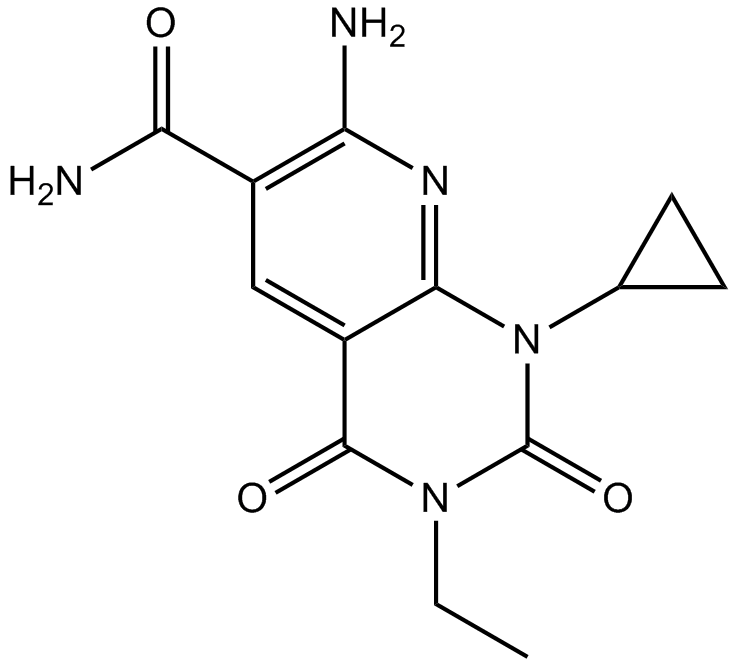
A 484954
A eukaryotic elongation factor-2 (eEF-2) kinase inhibitor
-
GC60037
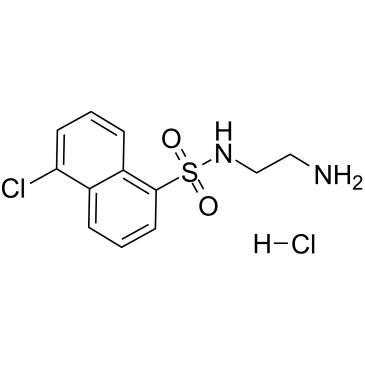
A-3 hydrochloride
A-3 hydrochloride is a potent, cell-permeable, reversible, ATP-competitive non-selective antagonist of various kinases.
-
GC42831
AR420626
AR420626 is an oral active and selective agonist of free fatty acid receptor 3 (FFAR3) with an EC50 value of 2.2µM.

-
GC33683
Autocamtide 2 (Autocamtide II)
Autocamtide II
Autocamtide 2 (Autocamtide II) is a highly selective peptide substrate of calcium/calmodulin-dependent protein kinase II (CaMKII).
-
GC34390
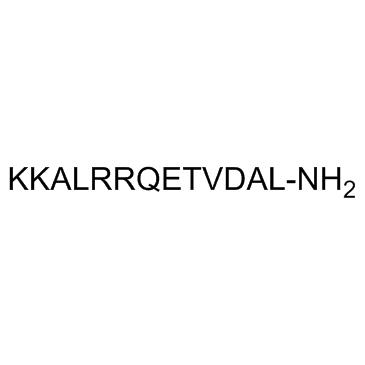
Autocamtide 2, amide
Autocamtide 2, amide is a substrate (100 μM final concentration) for CaMK family assays.
-
GC35432
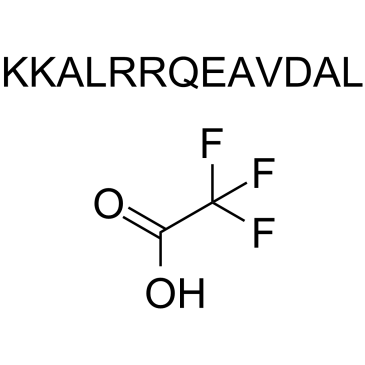
Autocamtide-2-related inhibitory peptide (TFA)
-
GC91849
Autocamtide-2-related Inhibitory Peptide (trifluoroacetate salt)
Autocamtide-2-related inhibitory peptide is a calmodulin-dependent protein kinase II (CaMKII) inhibitor (IC50 = 40 nM) that was designed based on the sequence around the autophosphorylation site (Thr286/Thr287) in the autoinhibitory domain of the protein kinase.

-
GC50305
Autocamtide-2-related inhibitory peptide, myristoylated
CaM kinase II inhibitor; enhanced cell permeable derivative of Autocamtide-2-related inhibitory peptide

-
GC72206
Autocamtide-3 acetate
Autocamtide-3 acetate, a 13-amino-acid peptide containing Thr287, is a selective CaMKII (Ca2+/calmodulin-dependent kinase II) (CaMK) substrate.

-
GC79486
Bacoside A (mixture)
Bacoside A (mixture) is a mixture composed of Bacoside A3, Bacopaside II, Bacopaside X and Bacopasaponin C.

-
GC14326
Calmidazolium chloride
R 24571
Calmidazolium chloride is a very potent inhibitor of several Ca2+-calmodulin-dependent enzymes, the IC50 values are 0.01μM for brain phosphodiesterase, 0.2μM for erythrocyte Ca2+-ATPase and 5.0μM for phosphorylase b kinase.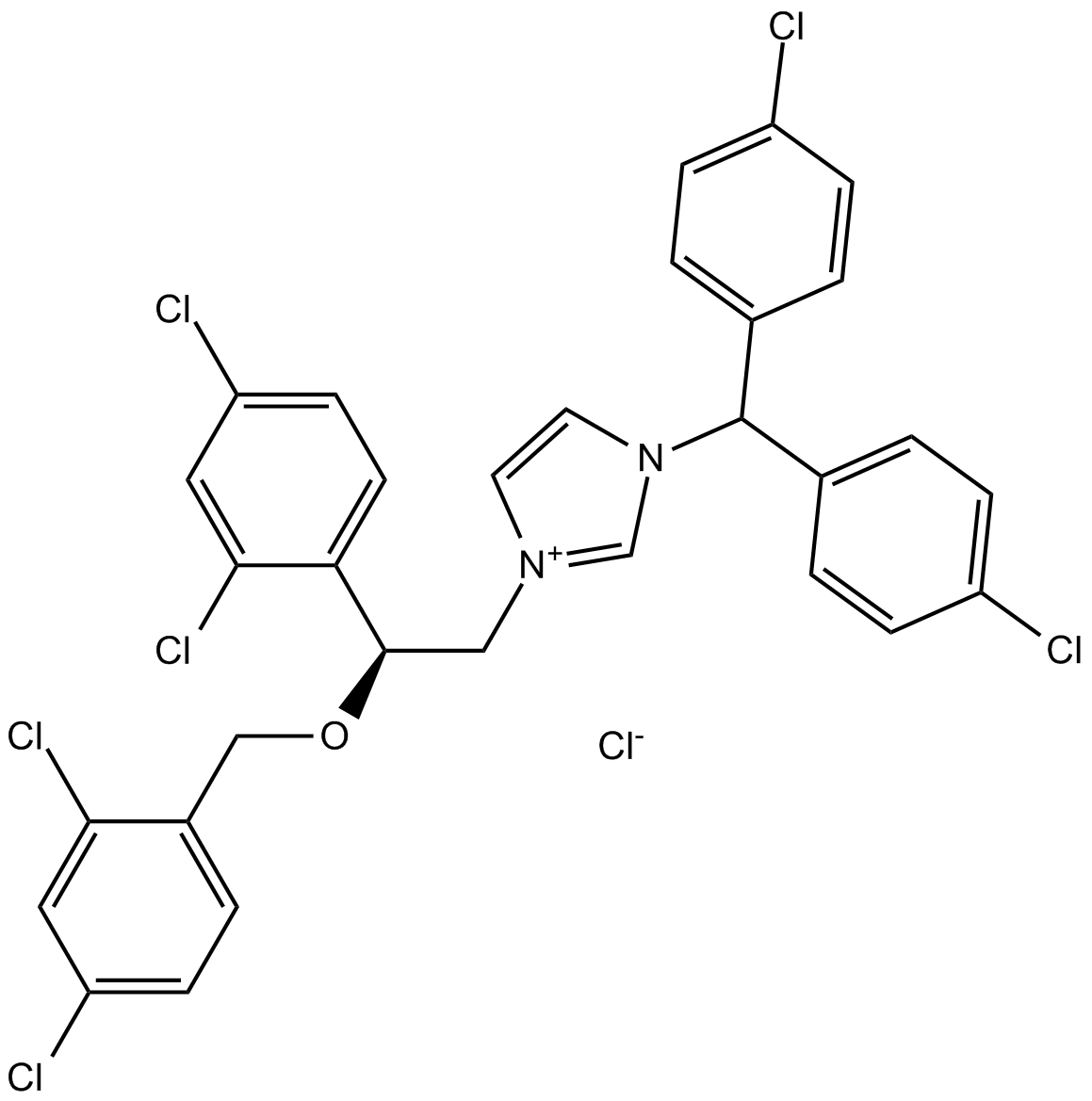
-
GC43128
Calmodulin-Dependent Protein Kinase II (290-309) (trifluoroacetate salt)
Calmodulin-dependent protein kinase II (290-309) is a synthetic peptide derived from the rat brain protein sequence that contains the calmodulin binding domain.

-
GC31170
Calmodulin-Dependent Protein Kinase II 290-309
Calmodulin-Dependent Protein Kinase II 290-309 is a potent CaMK antagonist with an IC50 of 52 nM for inhibition of Ca2+/calmodulin-dependent protein kinase II.

-
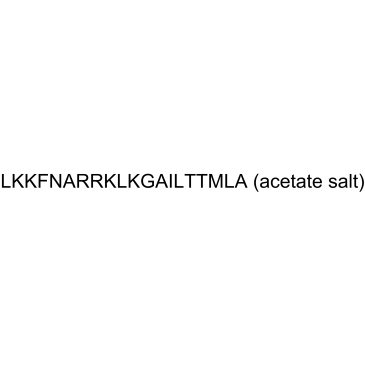
GC61521
Calmodulin-Dependent Protein Kinase II(290-309) acetate
Calmodulin-Dependent Protein Kinase II (290-309) acetate is a potent CaMK antagonist with an IC50 of 52 nM for inhibition of Ca2+/calmodulin-dependent protein kinase II.
-
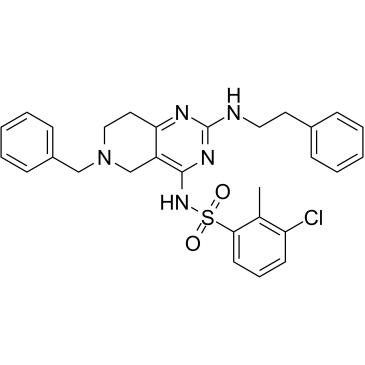
GC35601
CaMKII-IN-1
CaMKII-IN-1 is a potent and highly selective CaMKII inhibitor with an IC50 value of 63nM.
-
GC79775
CaMKIIδ-IN-1 hydrochloride
CaMKIIδ-IN-1 (Compound 15e) hydrochloride is a pyrimidine-based inhibitor of CaMKIIδ with an IC50 of 12 nM [1].

-
GC79076
Chktide acetate
Chktide acetate is a synthetic peptide substrate applicable for activity assays of Chk1 kinase and cyk/CaMKII.
-
GC71066
CS587
CS587 is a specific inhibitor of CaMK1D with neurocytotoxicity at 10 μM.

-
GC35820
DDD107498 succinate
DDD107498 succinate; DDD-498 succinate; M5717 succinate
DDD107498 succinate (DDD-498 succinate) is a potent and orally active antimalarial agent, inhibits multiple life-cycle stages of the parasite, with an EC50 of 1 nM against P.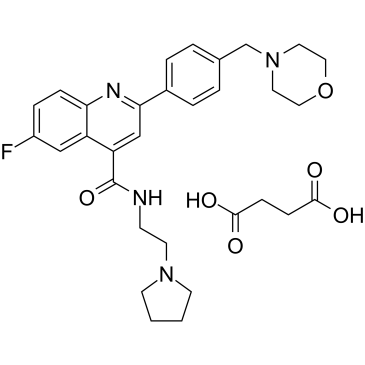
-
GC11362
K 252a
SF 2370
A protein kinase inhibitor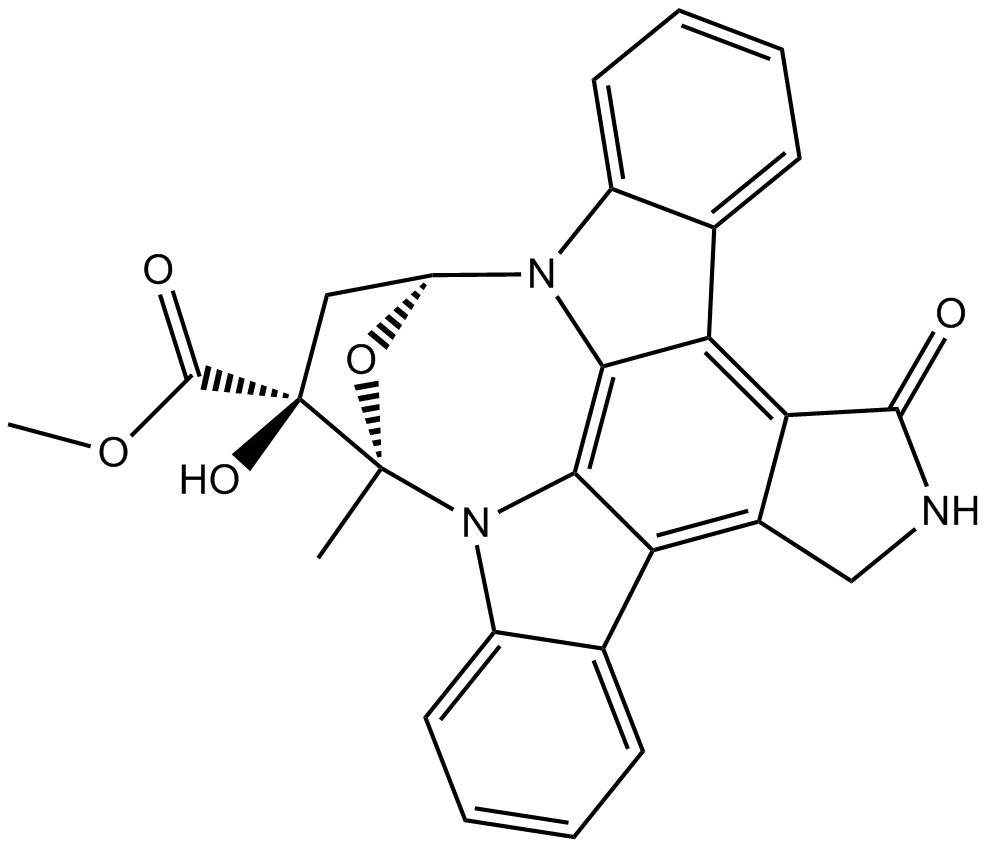
-
GC14202
KN-62
KN-62 is a selective calmodulin-dependent protein kinase II (CaMKII) inhibitor and also a potent non-competitive P2X7 receptor antagonist.

-
GC14132
KN-92
KN 92;KN92
An inactive control compound for a CaMKII inhibitor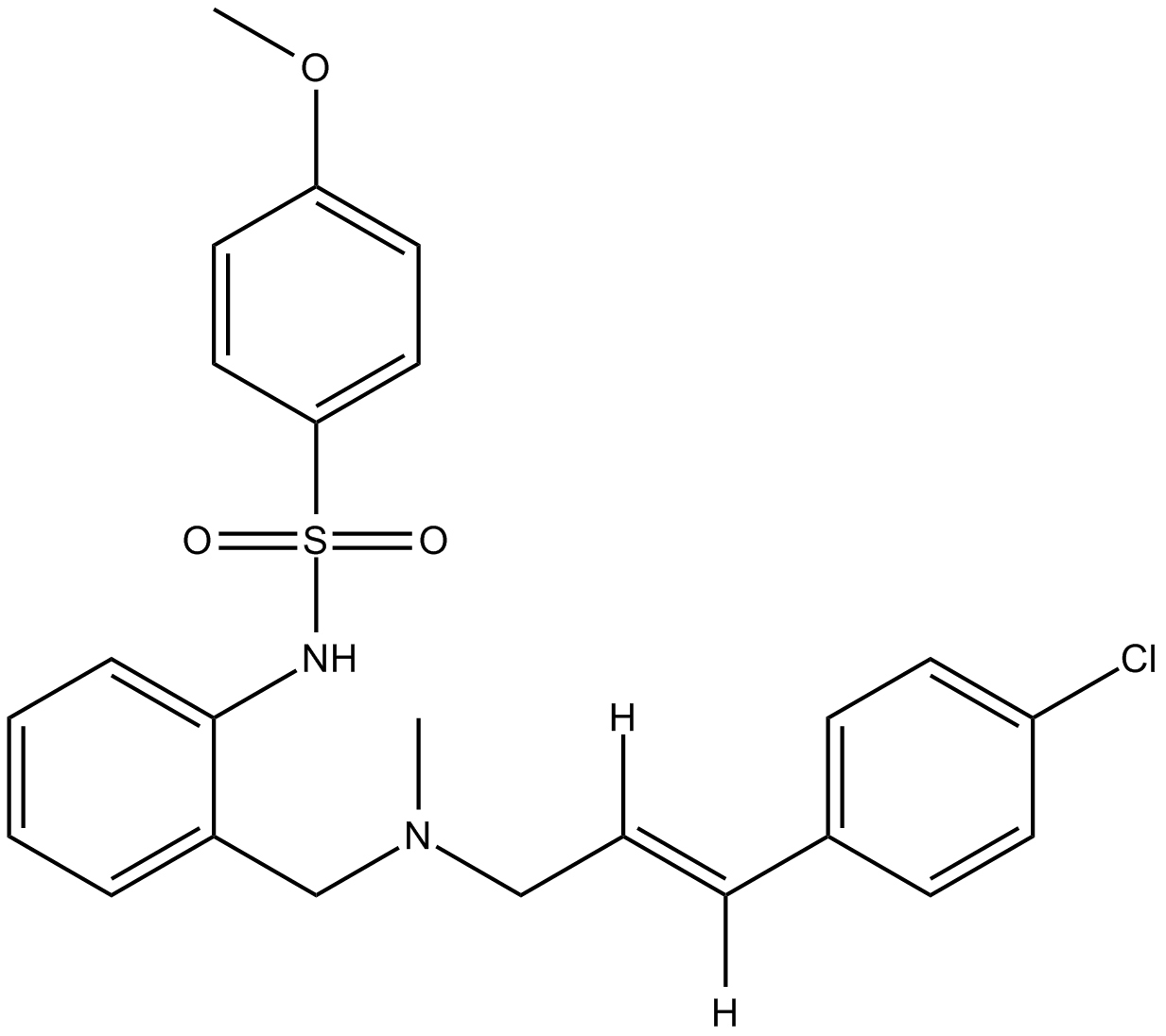
-
GC15988
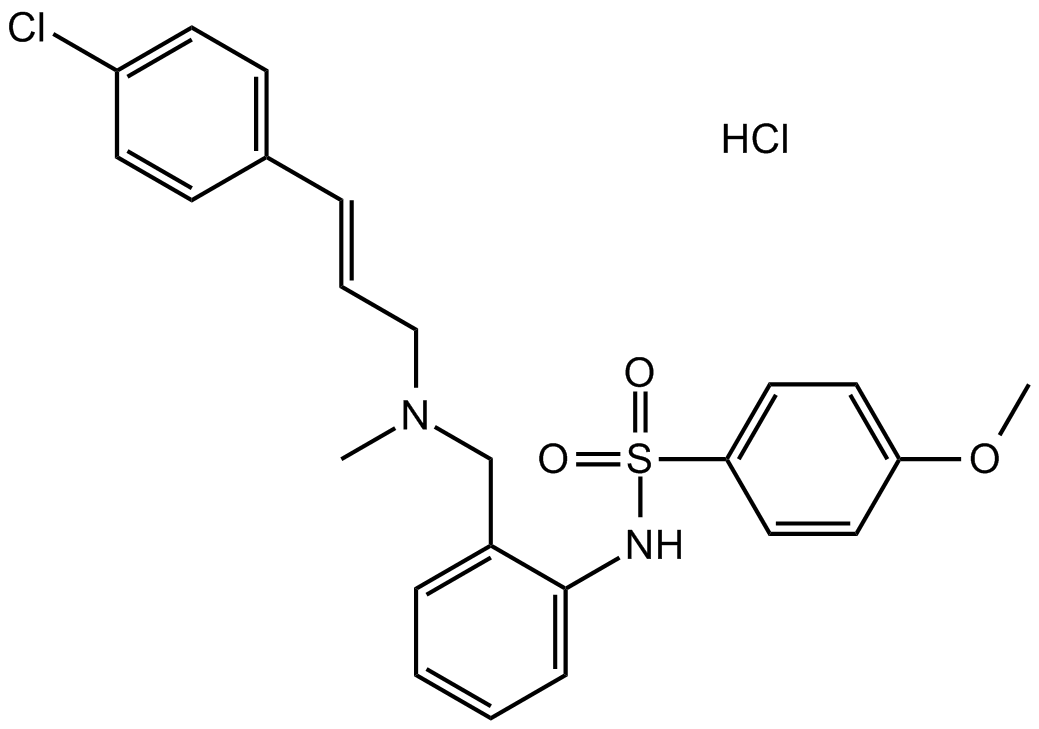
KN-92 hydrochloride
KN-92 hydrochloride is an inactive analogue of KN-93 and can be converted to KN-93 by modification.
-
GC16981
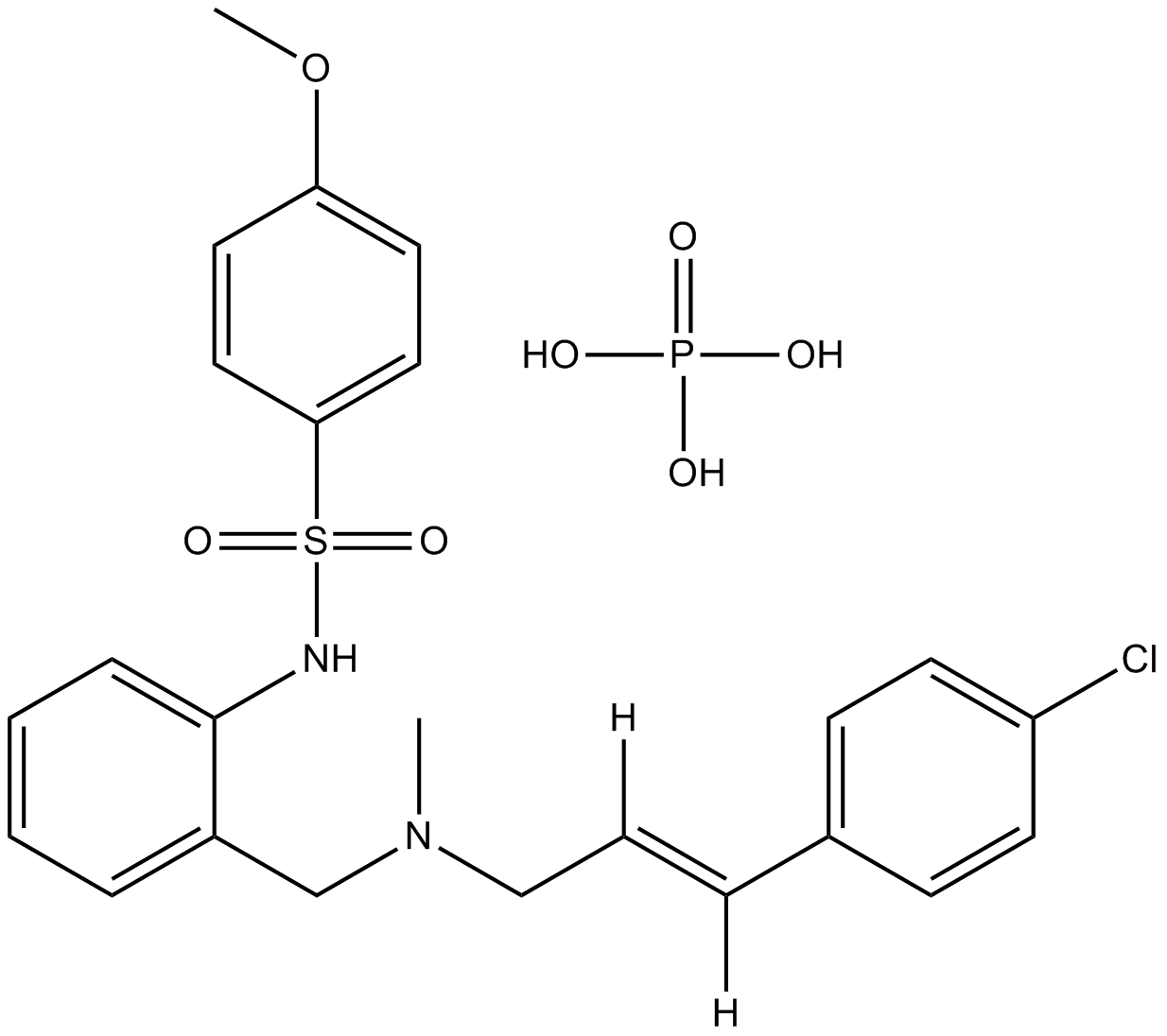
KN-92 phosphate
-
GC10629
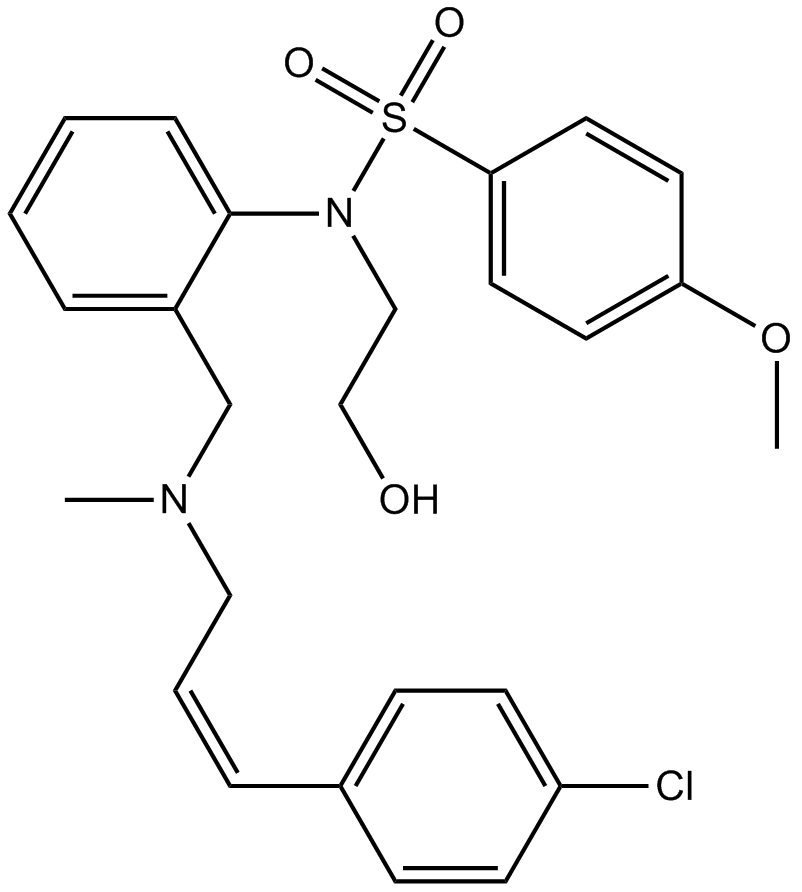
KN-93
KN-93 is an effective, cell-membrane permeable, and selective inhibitor of Ca2+/calmodulin-dependent protein kinase II (CaMKII) with an IC50 value of 0.37μM.
-
GC12501
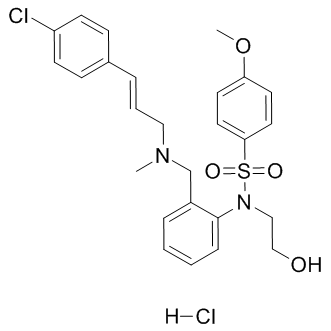
KN-93 hydrochloride
KN-93 hydrochloride is an effective, cell-membrane permeable, and selective inhibitor of Ca2+/calmodulin-dependent protein kinase II (CaMKII) with an IC50 value of 0.37μM.
-
GC12804
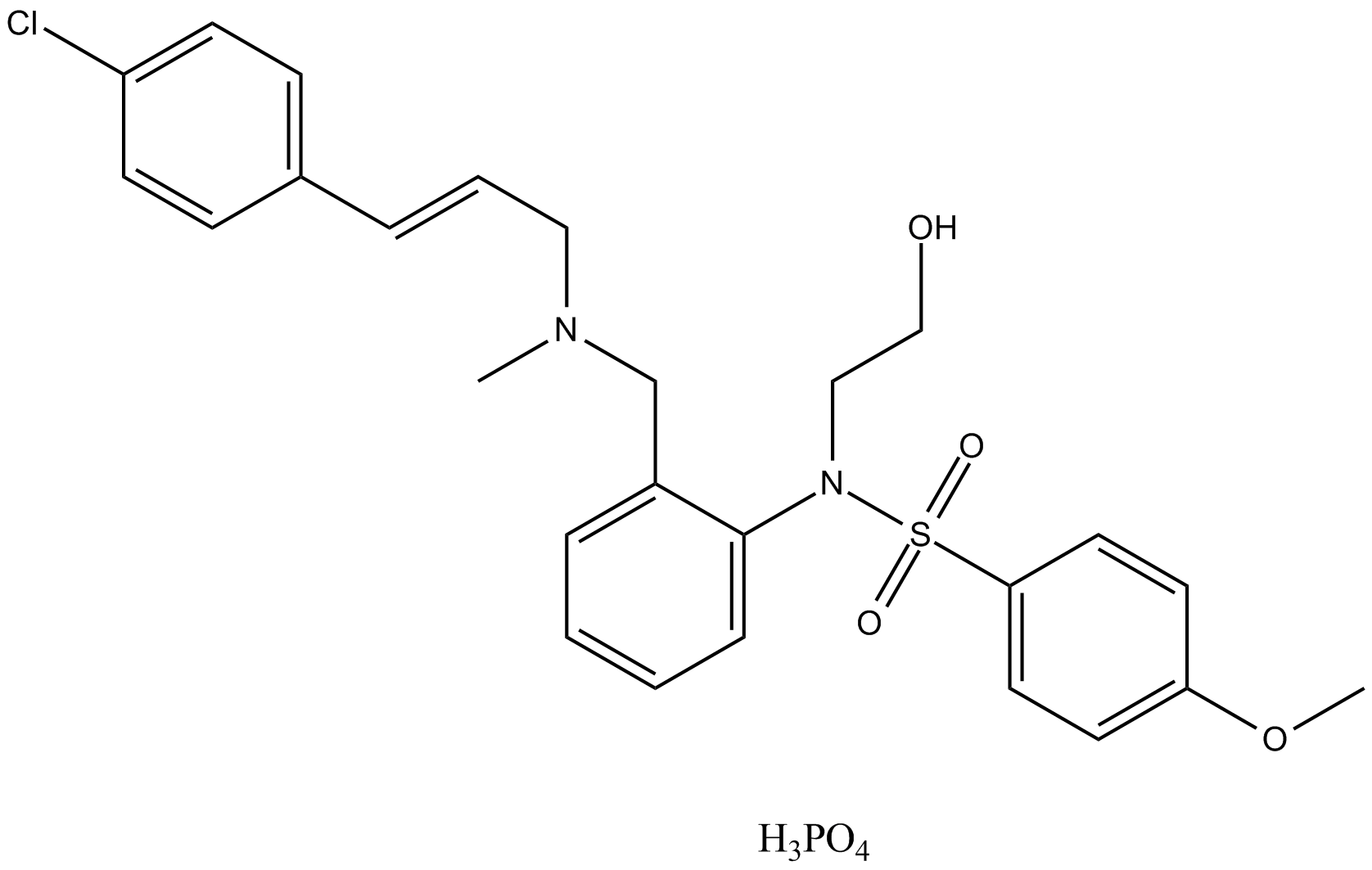
KN-93 Phosphate
KN-93 Phosphate is an effective, cell-membrane permeable, and selective inhibitor of Ca2+/calmodulin-dependent protein kinase II (CaMKII) with an IC50 value of 0.37μM.
-
GC30356
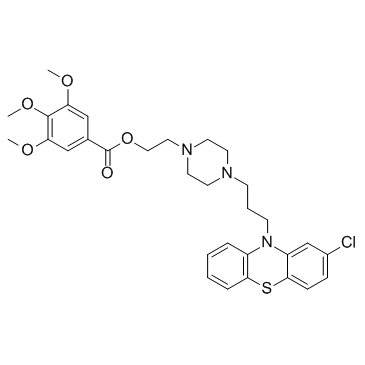
Metofenazate (Methophenazine)
Metofenazate (Methophenazine) is a selective calmodulin inhibitor.
-
GC17329
MLCK inhibitor peptide 18
Myosin Light Chain Kinase Inhibitor Peptide 18
Selective competitive inhibitor of myosin light chain kinase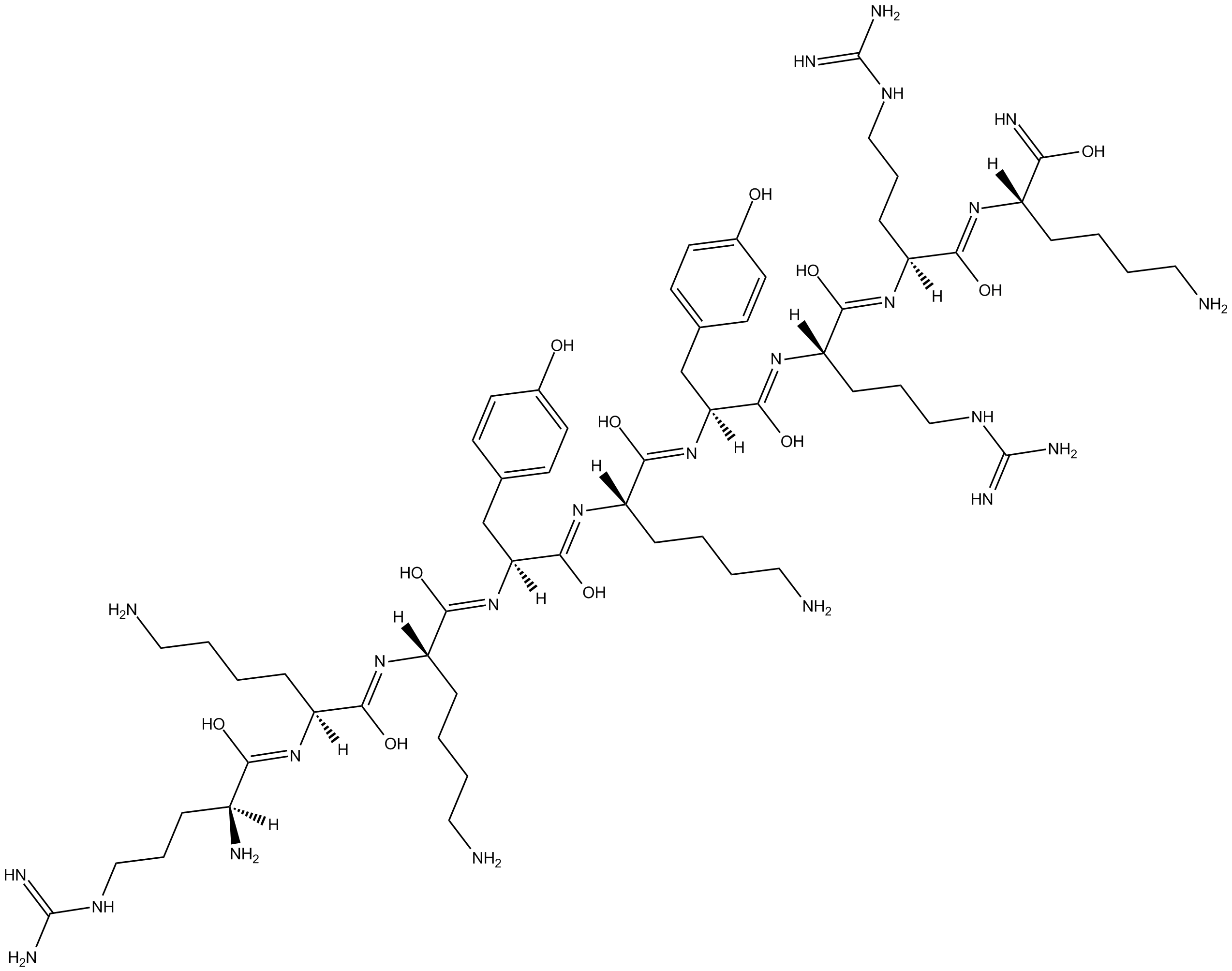
-
GC13793
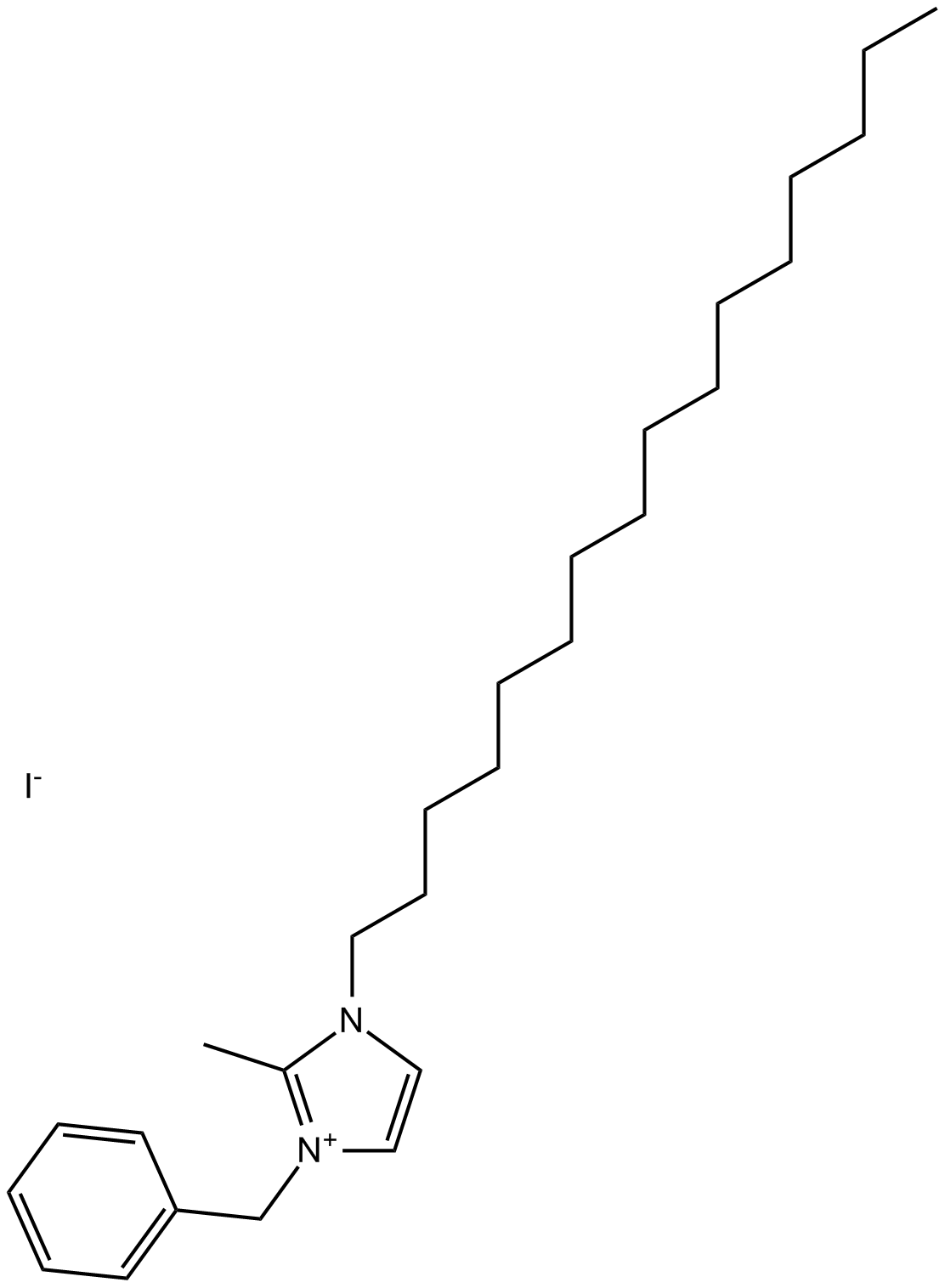
NH125
NH125 is a multitarget active substance and an inhibitor of several members of the histidine protein kinase family. NH125 can inhibit the activity of eukaryotic elongation factor-2 kinase (eEF-2K) with an IC50 of 60nM .
-
GC33775
Rimacalib (SMP 114)
SMP 114
Rimacalib (SMP 114) (SMP 114) is a Ca2+/calmodulin-dependent protein kinase II (CaMKII) inhibitor, with IC50s of ~1 μM for CaMKIIα to ~30 μM for CaMKIIγ.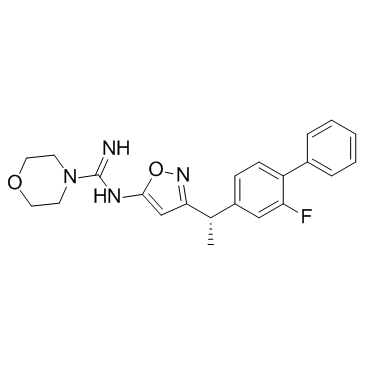
-
GC79519
SKF-96365
SKF-96365 is a TRPC channel antagonist and store-operated calcium entry ( SOCE ) inhibitor.

-
GC37694
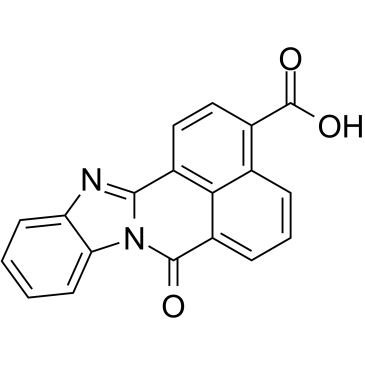
STO-609
STO-609 is a selective and cell-permeable inhibitor of the Ca2+/calmodulin-dependent protein kinase kinase (CaM-KK), with Ki values of 80 and 15ng/mL for recombinant CaM-KKα and CaM-KKβ, respectively.
-
GC33732
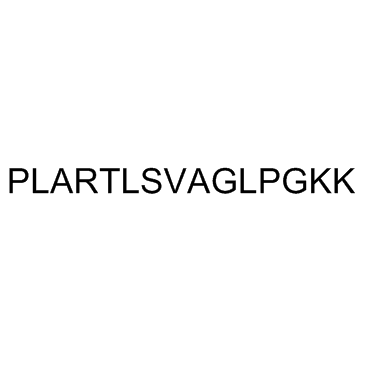
Syntide 2
A protein kinase substrate
-
GC37710
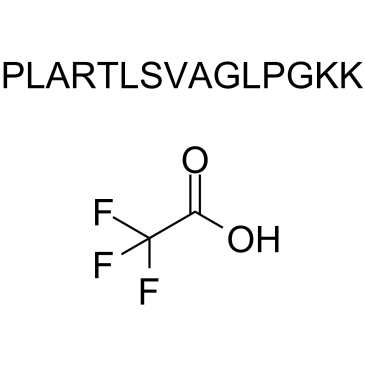
Syntide 2 (TFA)
-
GC71047
TIM-063
TIM-063 is a selective and cell-permeable CaMKK inhibitor, ATP competitive inhibitor, can directly target the catalytic domain of CaMKK, with the Ki values of 0.35 μM and 0.2 μM for CaMKKα and CaMKKβ, respectively, the IC50 values are 0.63 μM and 0.96 μM, respectively.

-
GC62146
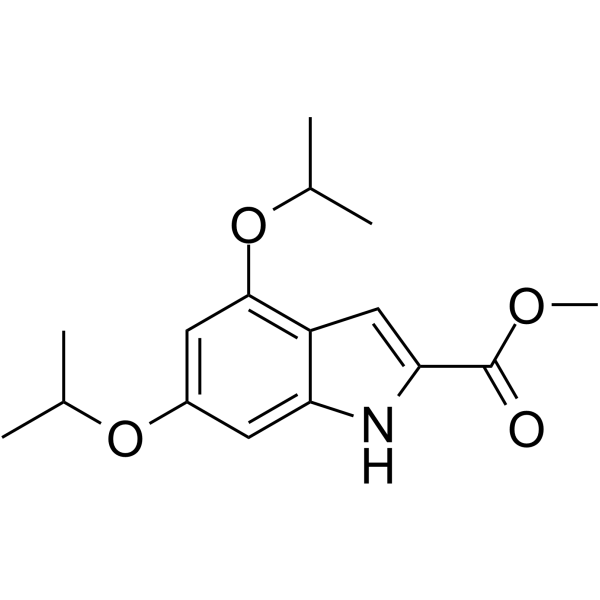
XST-14
XST-14 is a potent, competitive and highly selective ULK1 inhibitor with an IC50 of 26.6 nM. XST-14 induces autophagy inhibition by reducing the phosphorylation of the ULK1 downstream substrate. XST-14 induces apoptosis in hepatocellular carcinoma (HCC) cells and has antitumor effects.
38 Item(s)