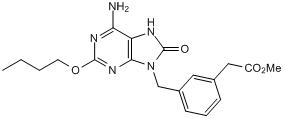
TLR
TLR (Toll-like receptor) is a family of receptors that expressed on immune cells including B lymphoctes, macrophages and mast cells. Ir identifies pathogen-associated molecular patterns and mediate the cytokines productions for activation of innate immunity.
Products for TLR
- Cat.No. Product Name Information
-
GC66870
β-D-Glucan
β-D-Glucan is an element of the cyst wall of P. jirovecii (and of the cell wall of most other fungi), that can trigger various host inflammatory responses.
-
GC80863
(R)-Balcinrenone
(R)-AZD9977
(R)-Balcinrenone ((R)-AZD9977) is an isomer of Balcinrenone.
-
GC79434
(R)-SARM1-IN-5
(R)-SARM1-IN-5 is the (R)-enantiomer of SARM1-IN-5.

-
GC79436
(S,S)-SARM1-IN-9
(S,S)-SARM1-IN-9 (Compound MY-13A) is a stereoselective SARM1 inhibitor with covalent binding properties.

-
GC38728
1V209
TLR7 agonist T7
1V209 (TLR7 agonist T7) is a Toll-like receptor 7 (TLR7) agonist and has anti-tumor effects. 1V209 can be conjugated with various polysaccharides to improve its water solubility, and enhance its efficacy, and maintain low toxicity.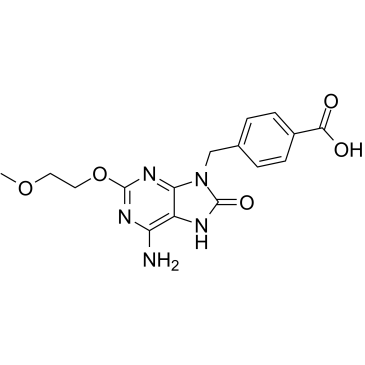
-
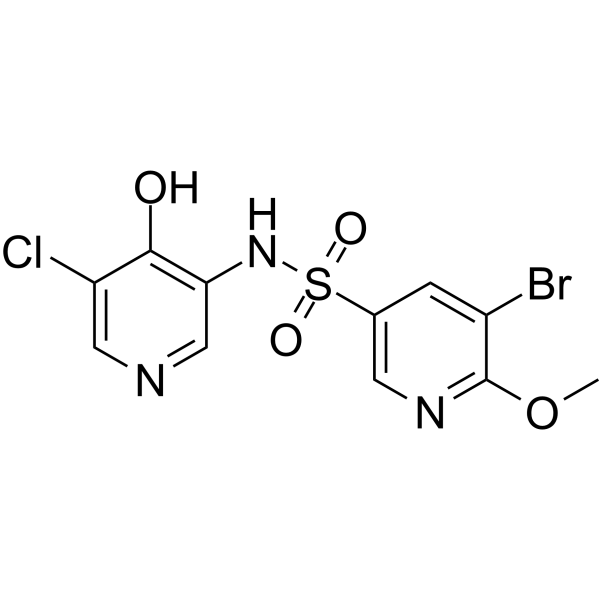
GC63420
ABR-238901
ABR-238901 is a newly developed blocker for S100A8/A9, which effectively inhibits the interaction between S100A8/A9 and the receptor for advanced glycation endproducts (RAGE) as well as toll-like receptor 4 (TLR4).
-
GC63485
Afimetoran
BMS-986256
Afimetoran is a toll-like receptor antagonist, which can be used in the research of inflammatory and autoimmune diseases.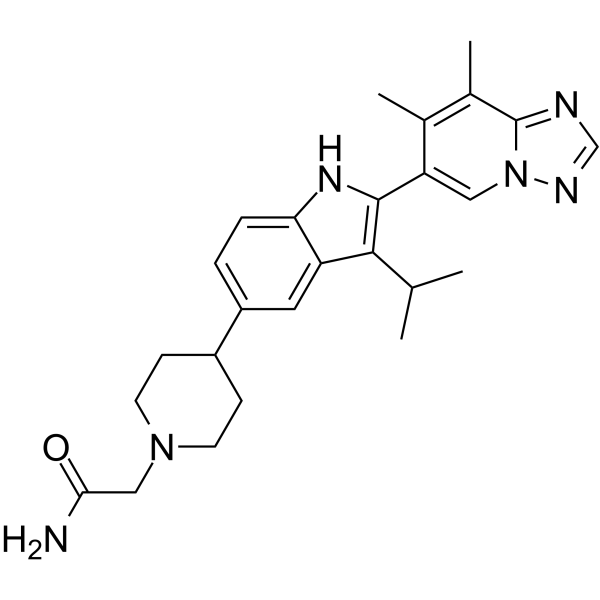
-
GC66396
Agatolimod
ODN 2006; CpG 7909; PF-3512676
Agatolimod (ODN 2006), a class B ODN (oligodeoxynucleotide), is a TLR9 agonist. Agatolimod is also an optimal CpG sequence for humans. Agatolimod stimulates very strong production of NO2 and IL-6 in HD11 cells. Agatolimod can be used for breast cancer research. Sequence: 5'-tcgtcgttttgtcgttttgtcgtt-3'.
-
GC32057
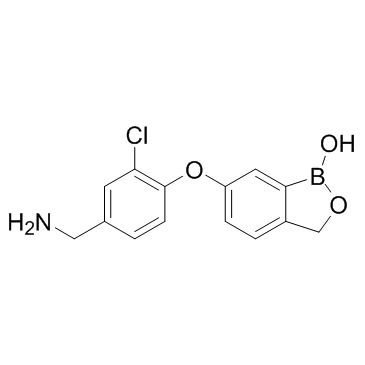
AN-3485
AN-3485 is a benzoxaborole analog, Toll-Like Receptor(TLR) inhibitor with IC50 values ranging from 18 to 580 nM.
-
GC62334
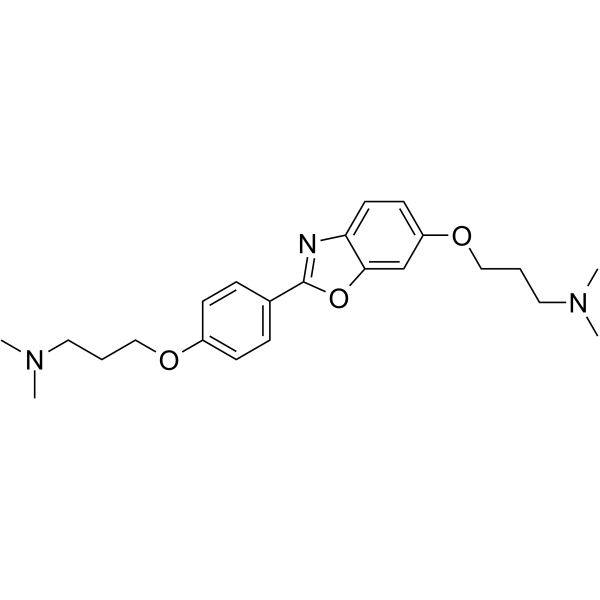
AT791
AT791 is a potent and orally bioavailable TLR7 and TLR9 inhibitor.
-
GN10627
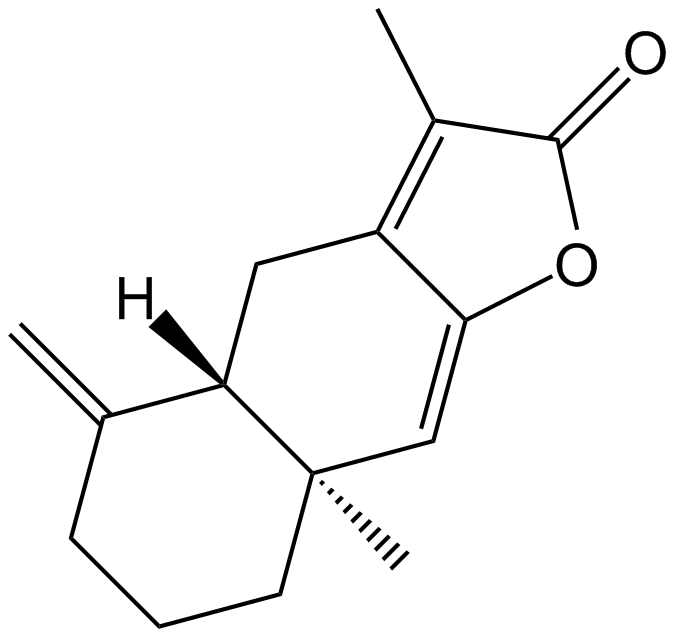
Atractylenolide I
-
GC65283
AXC-715 trihydrochloride
T785 trihydrochloride
AXC-715 (T785) trihydrochloride is a TLR7/TLR8 dual agonist, extracted from patent WO2020168017 A1.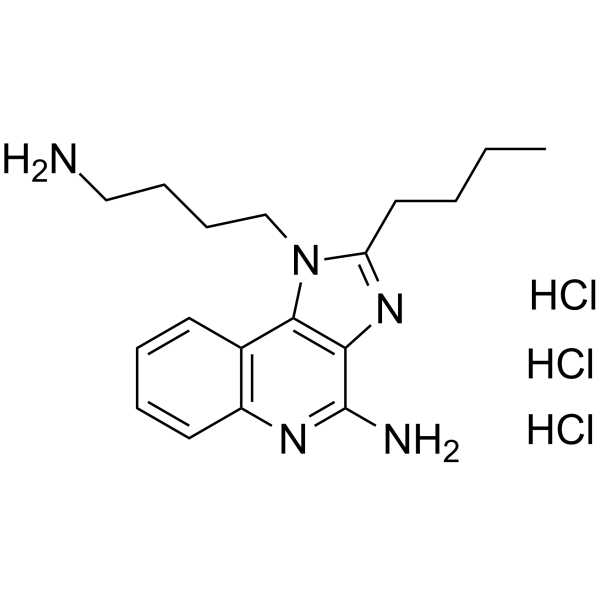
-
GC62488
AZD8848
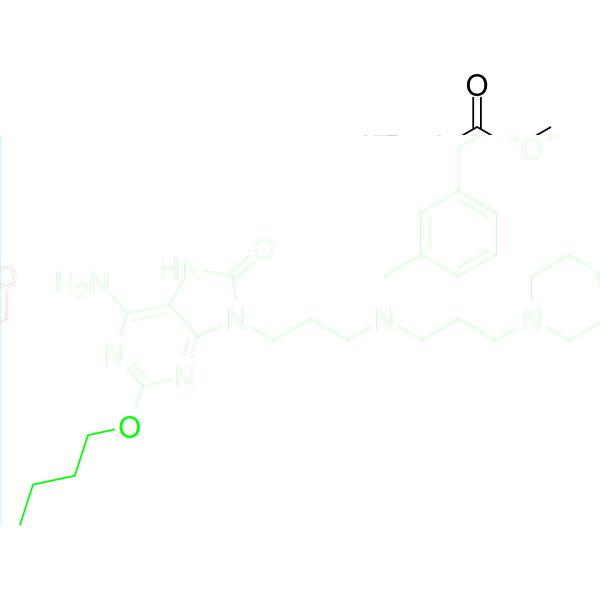
AZD8848 is a selective toll-like receptor 7 (TLR7) antedrug agonist which is developed for the research of asthma and allergic rhinitis.
-
GC79438
Bazlitoran
IMO-8400
Bazlitoran (IMO-8400) is an oligonucleotide-based TLR7/8/9 antagonist.
-
GC79439
Bazlitoran sodium
IMO-8400 sodium
Bazlitoran sodium (IMO-8400 sodium) is an oligonucleotide-based TLR7/8/9 antagonist. -
GC30490
Benzyl alcohol (Benzenemethanol)
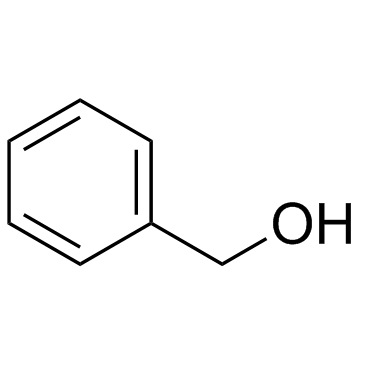
Benzyl alcohol (Benzenemethanol) is an aromatic alcohol widely used in medicine, cosmetics, food and industry. As a versatile solvent and preservative, benzenemethanol also exhibits mild anesthetic and antibacterial properties in various formulations.
-
GC16345
Bropirimine
ABPP, NSC 149027, PNU 54461, U-54461
Bropirimine is a synthetic agonist for toll-like receptor 7 (TLR7). Bropirimine inhibits differentiation of osteoclast precursor cells into osteoclasts via TLR7-mediated production of IFN-β. Bropirimine is an orally active immunomodulator that has demonstrated anticancer activity in transitional cell carcinoma in situ (CIS) in both the bladder and upper urinary tract.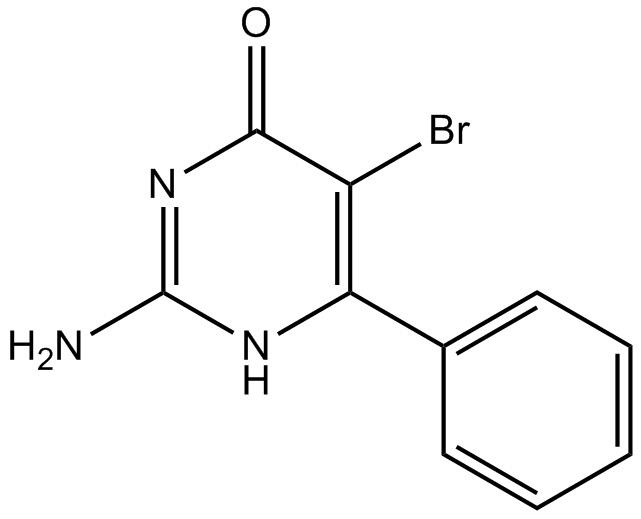
-
GC33820
C29
TLR2-IN-C29
C29 is a Toll-like receptor 2 (TLR2) inhibitor.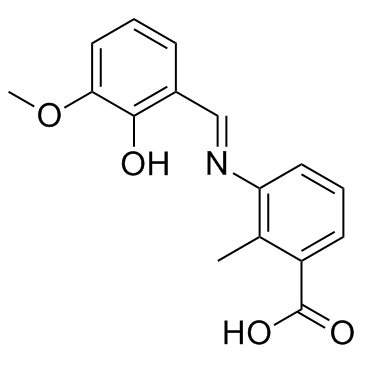
-
GC60694
Chitohexaose hexahydrochloride
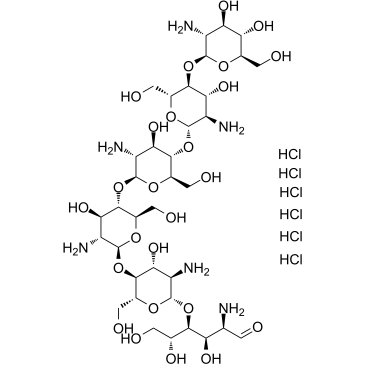
Chitohexaose hexahydrochloride is a chitosan oligosaccharide with anti-inflammatory effect.
-
GC60700
Chloroquine D5
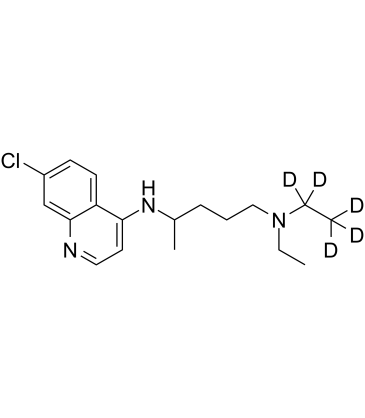
Chloroquine D5 is deuterium labeled Chloroquine.
-
GC10295
Chloroquine diphosphate
DL-Chloroquine, NSC 14050
Chloroquine diphosphate is an antimalarial and anti-inflammatory agent widely used to treat malaria and rheumatoid arthritis.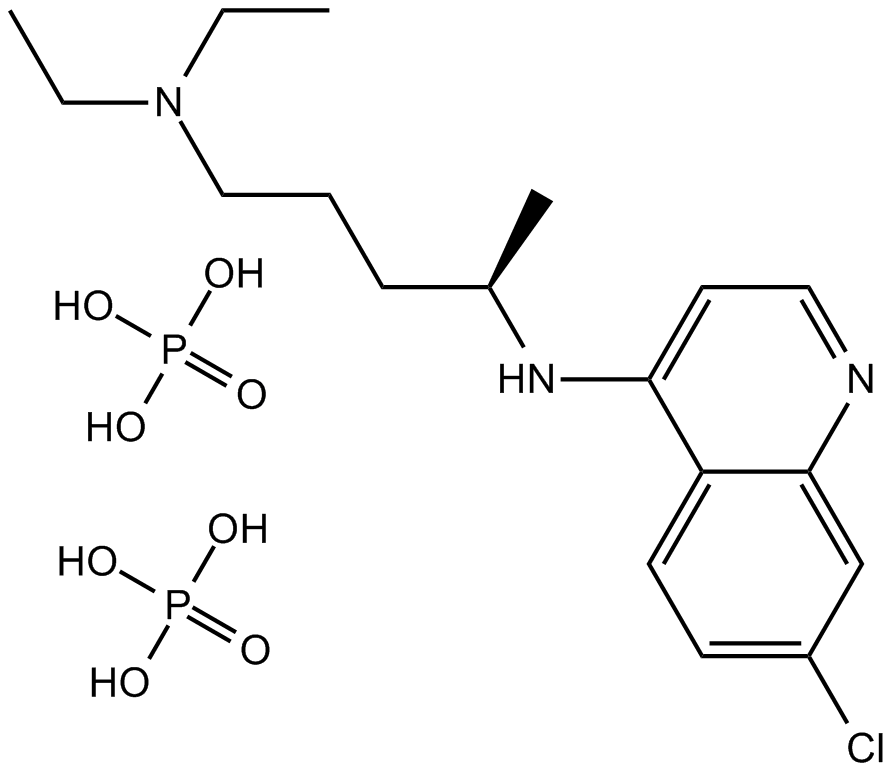
-
GC50356
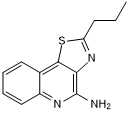
CL 075
TLR8 agonist
-
GC64526
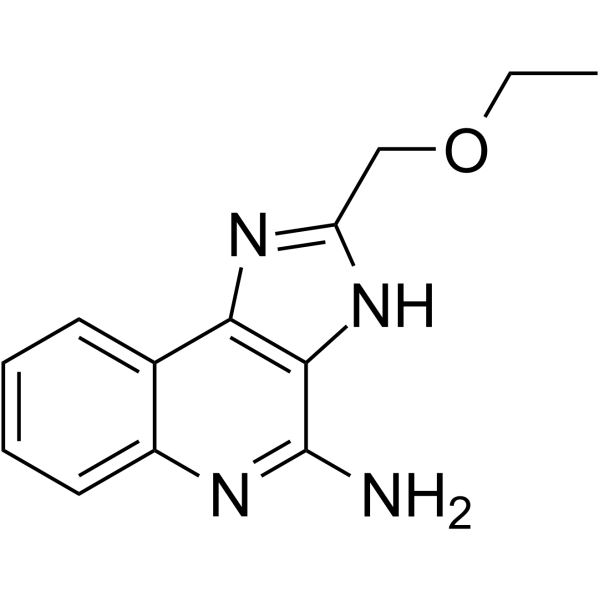
CL097
CL097, a potent TLR7 and TLR8 agonist, induces pro-inflammatory cytokines in macrophages.
-
GC65124
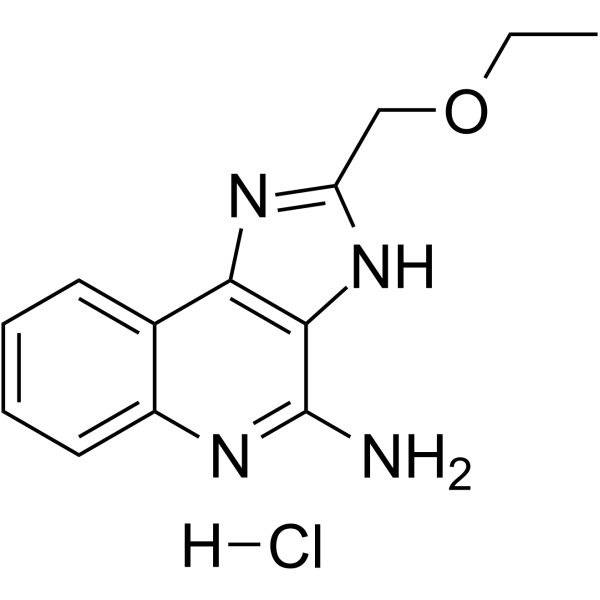
CL097 hydrochloride
CL097, a potent TLR7 and TLR8 agonist, induces pro-inflammatory cytokines in macrophages.
-
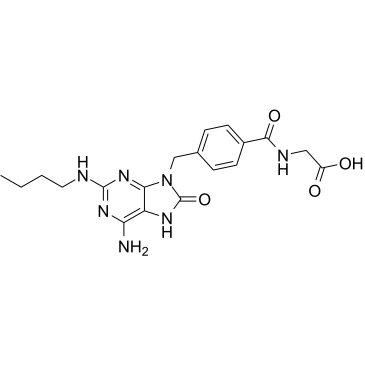
GC39361
CL264
CL264 is an adenine analog and a potent, highly specific TLR7 ligand.
-
GC11461
CU CPT 4a
TLR3-IN-1
CU CPT 4a is a potent inhibitor of toll-like receptor 3 (TLR3), with an IC50 value of 3.44μM.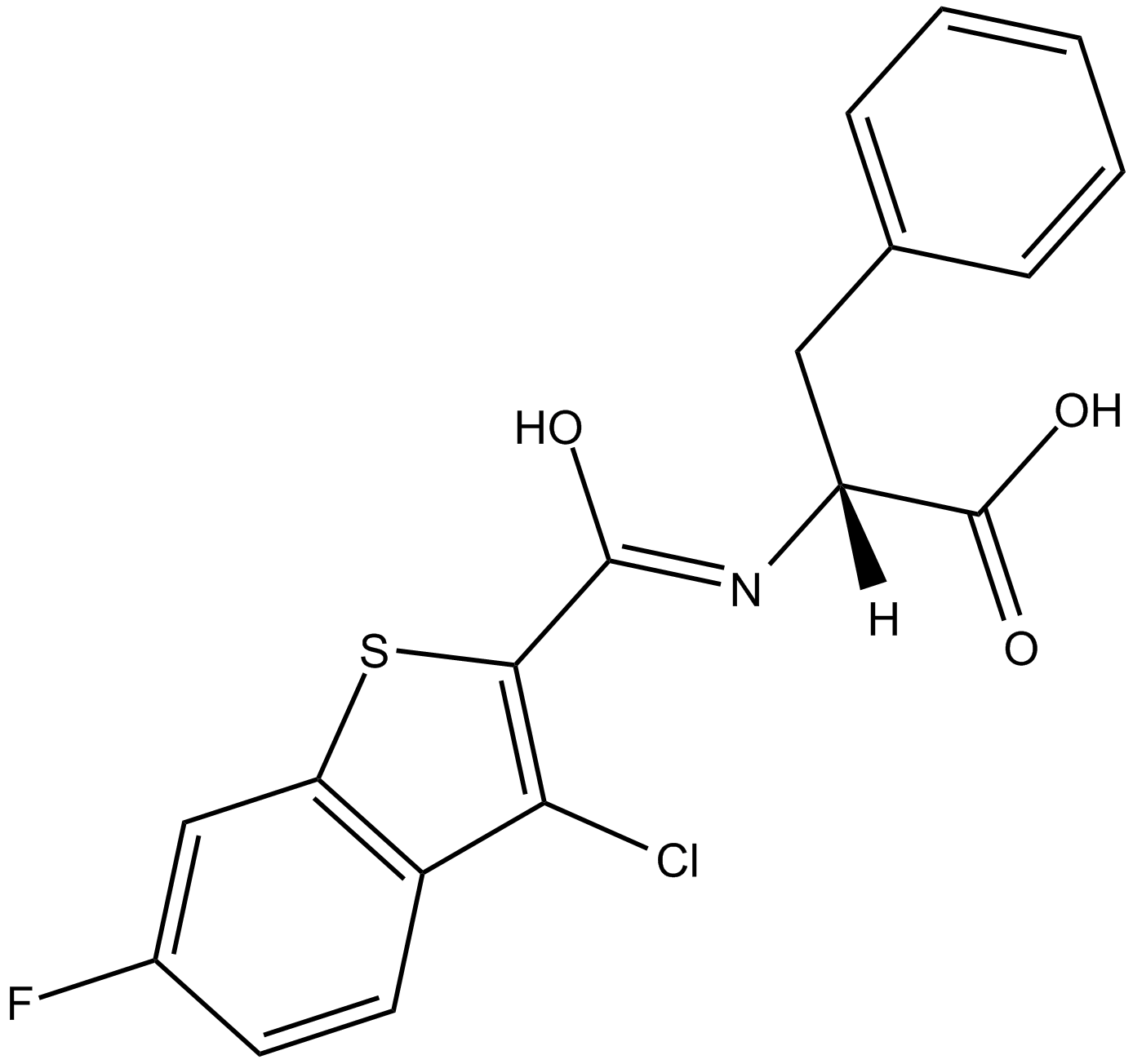
-
GC47127
CU-115
A TLR8 antagonist

-
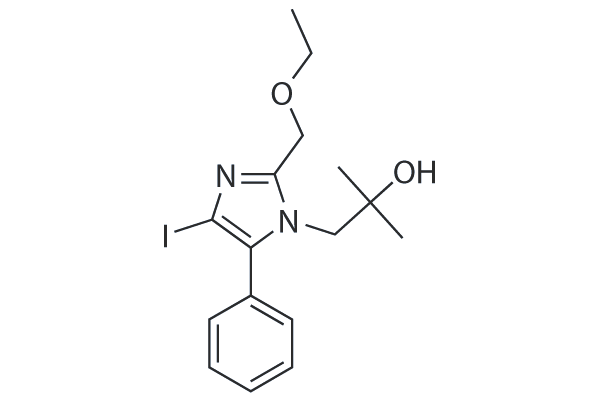
GC25314
CU-CPD107
CU-CPD107 is a selective, dual-activity small-molecule which demonstrated differential activity against the TLR8 agonists and ssRNA ligands.
-
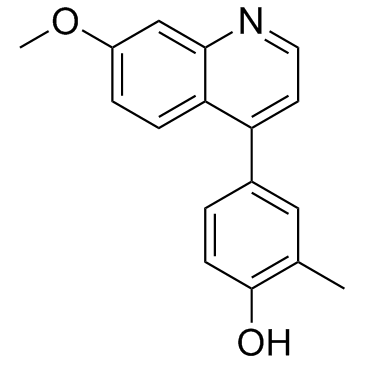
GC31745
CU-CPT-9a
A TLR8 antagonist
-
GC31729
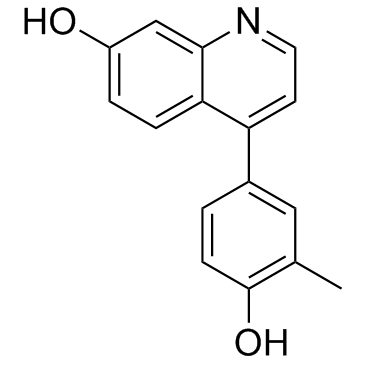
CU-CPT-9b (TLR8-specific antagonist 1)
CU-CPT-9b (TLR8-specific antagonist 1) is a specific TLR8 antagonist, with an IC50 of 0.7 nM.
-
GC33834
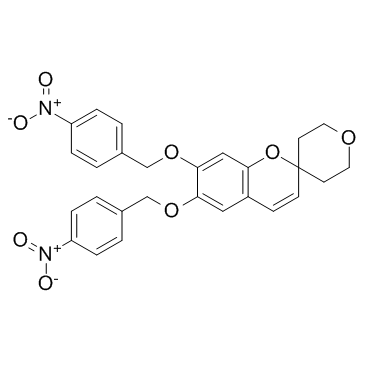
CU-CPT17e
CU-CPT17e is a potent multi-Toll-like receptor (TLR) agonist that activates TLR3, TLR8, and TLR9.
-
GC14254
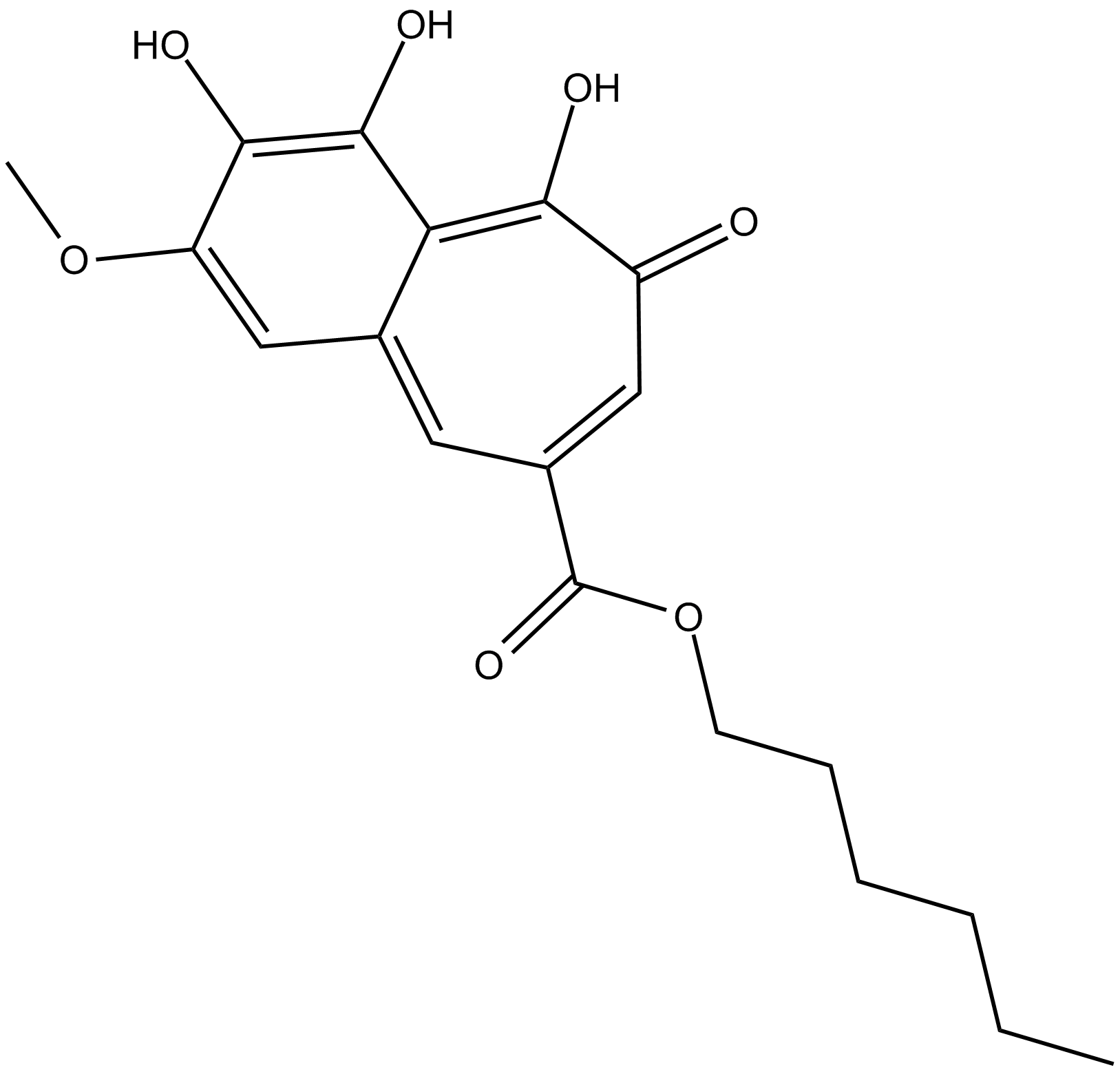
CU-CPT22
CU-CPT22 is a potent protein complex of toll-like receptor 1 and 2 (TLR1/2) inhibitor, and competes with the synthetic triacylated lipoprotein (Pam3CSK4) binding to TLR1/2 with a Ki of 0.41µM. CU-CPT22 blocks Pam3CSK4-induced TLR1/2 activation with an IC50 of 0.58µM.
-
GC18306
CU-CPT8m
TLR8-specific antagonist
CU-CPT8m is an antagonist of toll-like receptor 8 (TLR8; Kd = 220 nM; IC50 = 67 nM in a reporter assay).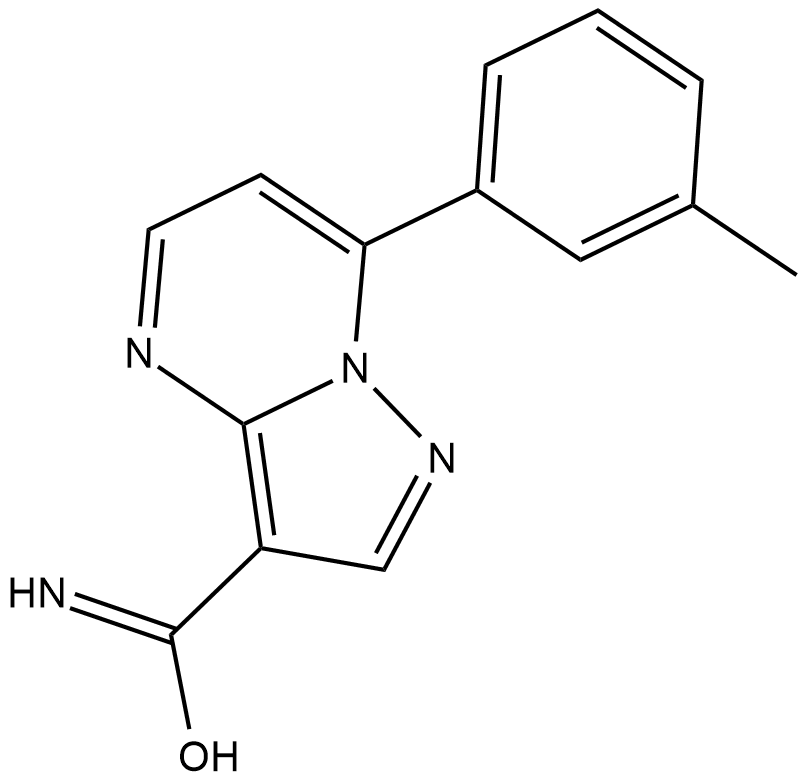
-
GC39285
CU-T12-9
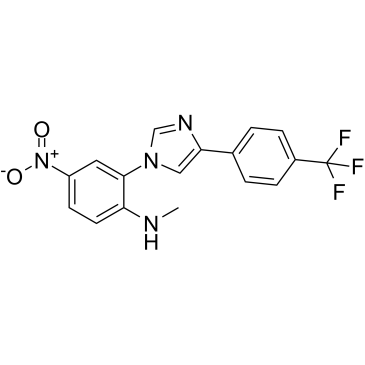
CU-T12-9 is a small-molecule agonist that specifically targets the Toll-like receptor TLR1/TLR2 heterodimer, with an EC50 of 52.9nM. CU-T12-9 promotes the dimerization of TLR1 and TLR2, thereby activating the NF-κB signaling pathway.
-
GC68432
DB-3-291
-
GC39372
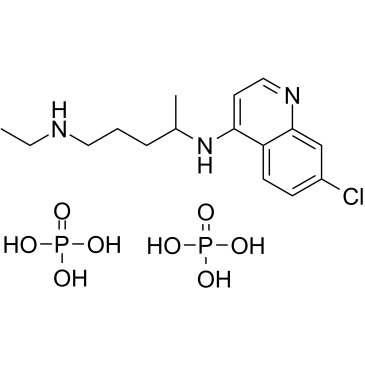
Desethyl chloroquine diphosphate
Desethyl chloroquine diphosphate is a major desethyl metabolite of Chloroquine.
-
GC47194
Desethylchloroquine
N-Desethylchloroquine, NSC 13254
An active metabolite of chloroquine
-
GC38907
DSR-6434
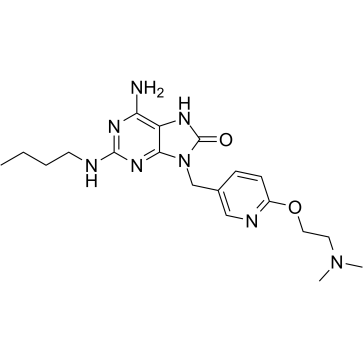
DSR-6434 is a potent and selective Toll-like receptor 7 (TLR7) agonist, with EC50s of 7.2 nM and 4.6 nM for human and mice TLR7, respectively. DSR-6434 has a strong antitumor effect.
-
GC33900
E6446
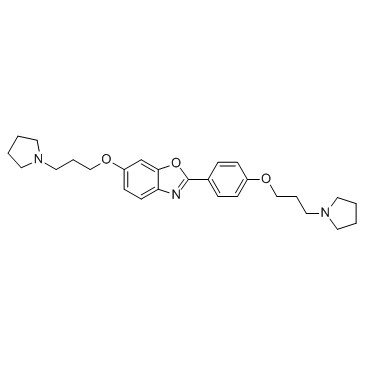
-
GC33828
E6446 dihydrochloride (E-6446 dihydrochloride)
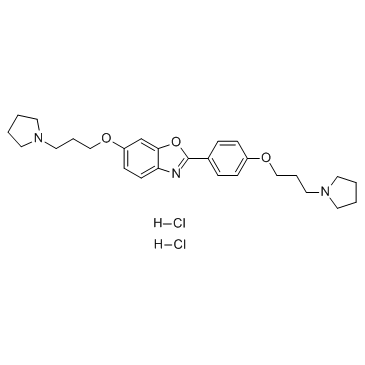
-
GC79440
ENDO12
ENDO12 is an inhibitor of the Munc13-4-STX7 protein complex, with a K d value of 2.7 µM for STX7.

-
GC62489
Enpatoran
M5049
Enpatoran (M5049) is a potent, orally active and dual TLR7/8 inhibitor with IC50s of 11.1 nM and 24.1 nM in HEK293 cells, respectively.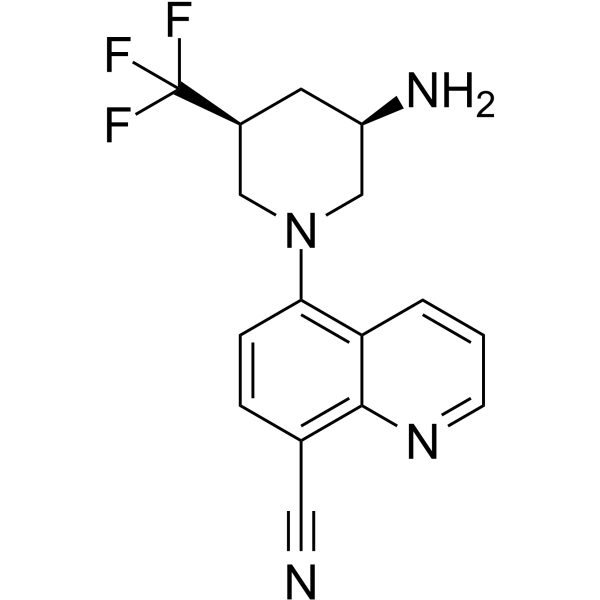
-
GC62471
Enpatoran hydrochloride
M5049 hydrochloride
Enpatoran (M5049) hydrochloride is a potent, orally active and dual TLR7/8 inhibitor with IC50s of 11.1 nM and 24.1 nM in HEK293 cells, respectively.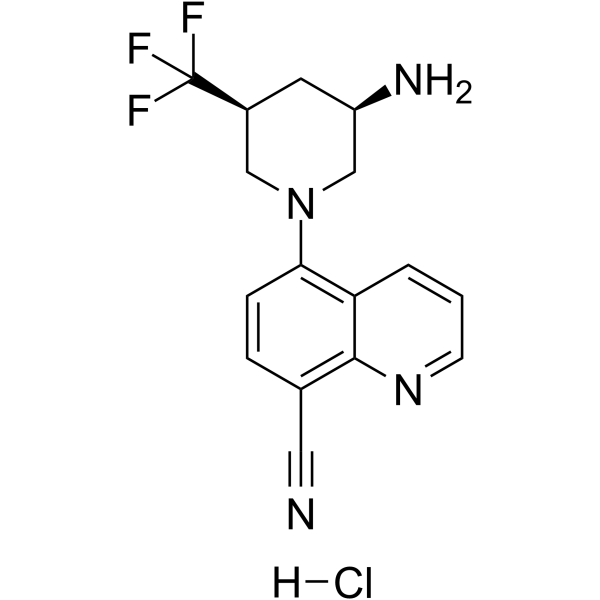
-
GC79389
ETI41
ETI41 is an orally active, selective TLR inhibitor that targets the nucleoside-binding Site I on TLR7 ( IC50 = 0.63 μM) and TLR9 ( IC50 = 0.16 μM), sparing surface TLRs (including TLR1/TLR2, TLR2/TLR6, TLR4 and TLR5).

-
GC79390
ETI60
ETI60 is an orally active, selective TLR inhibitor that targets the nucleoside-binding Site I on TLR7 ( IC50 = 0.68 μM) and TLR9 ( IC50 = 0.12 μM), sparing surface TLRs (including TLR1/TLR2, TLR2/TLR6, TLR4 and TLR5).

-
GC18761
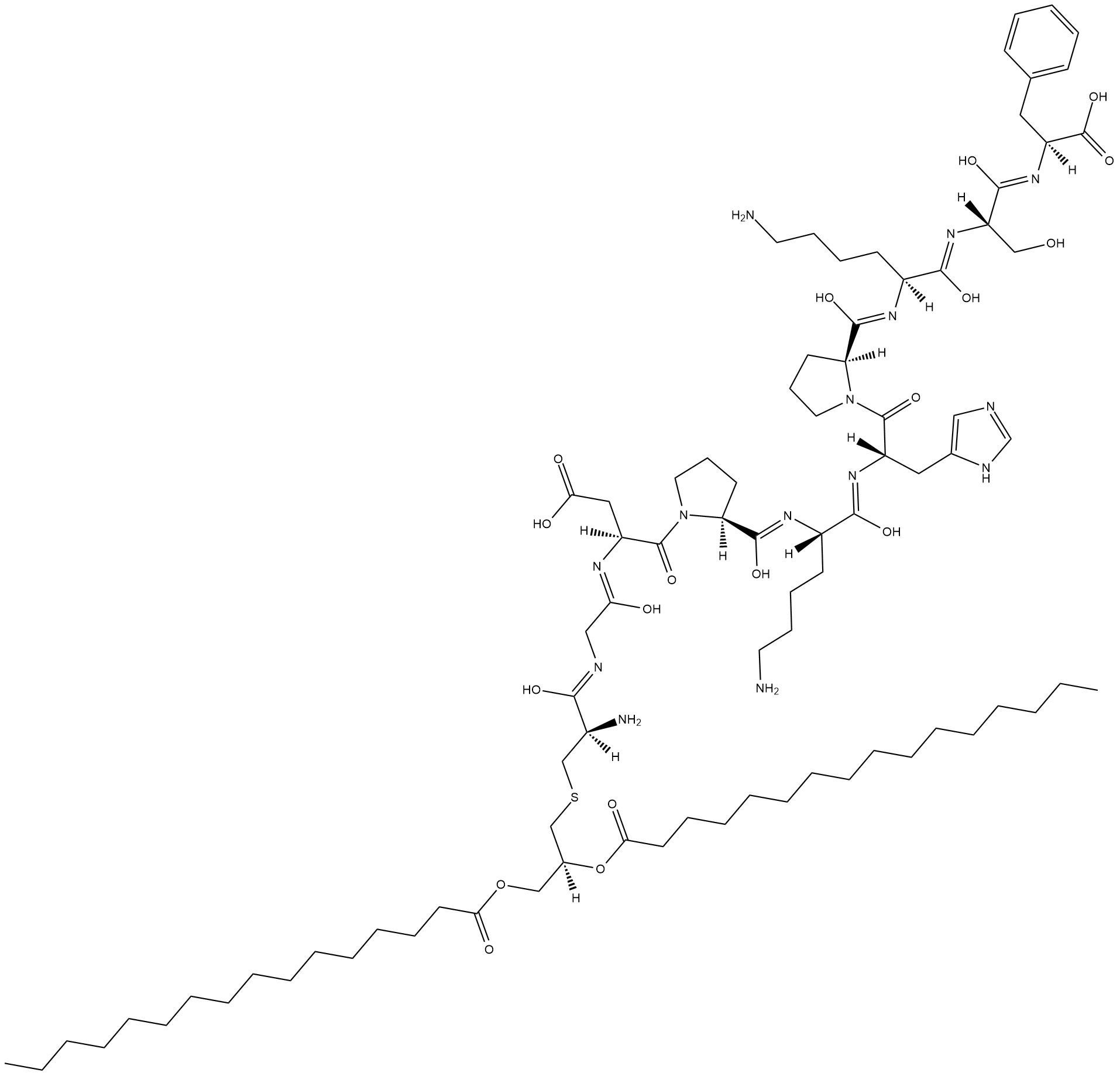
FSL-1
FSL-1 is a synthetic diacyl lipopeptide TLR2/6 agonist.
-
GC60860
FSL-1 TFA
FSL-1 TFA, a bacterial-derived toll-like receptor 2/6 (TLR2/6) agonist, enhances resistance to experimental HSV-2 infection.
-
GC14864
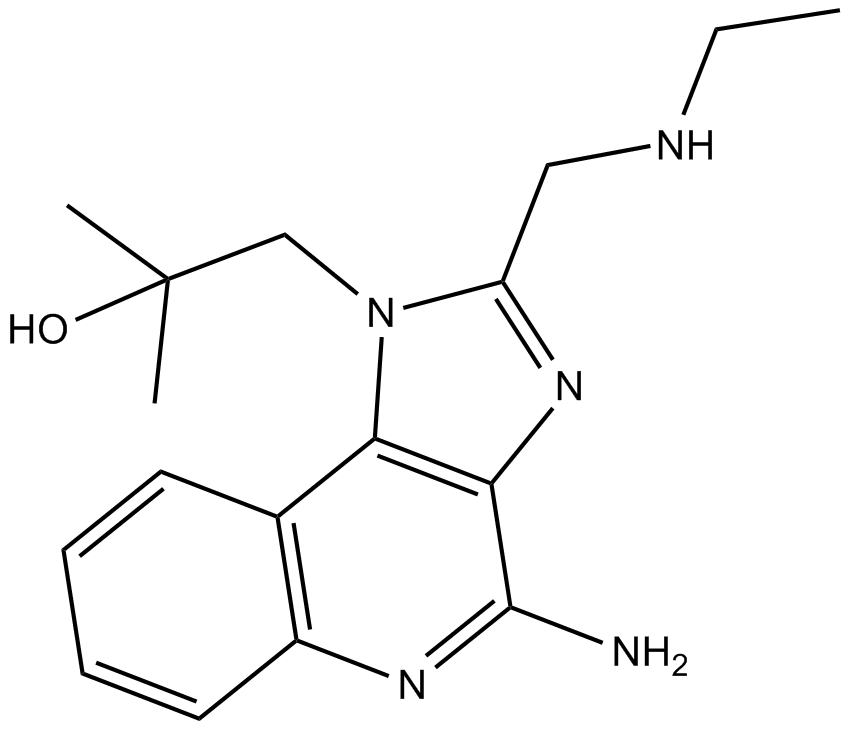
Gardiquimod
Gardiquimod is a Toll-like receptor 7 (TLR7) agonist that inhibits HIV-1 infection of human macrophages and activation of T cells.
-
GC33910
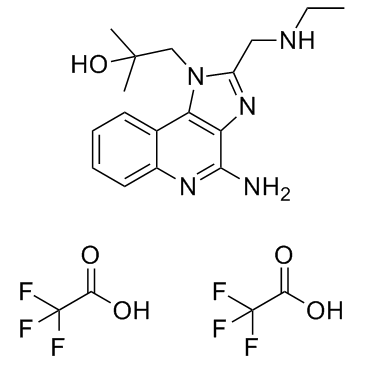
Gardiquimod trifluoroacetate
Gardiquimod trifluoroacetate, an imidazoquinoline analog, is a TLR7/8 agonist.
-
GC12555
GS-9620 (Vesatolimod)
Vesatolimod
GS-9620 (Vesatolimod) is a potent, orally active Toll-like receptor 7 (TLR7) agonist with an EC50 value of 291nM, exhibiting antiviral activity.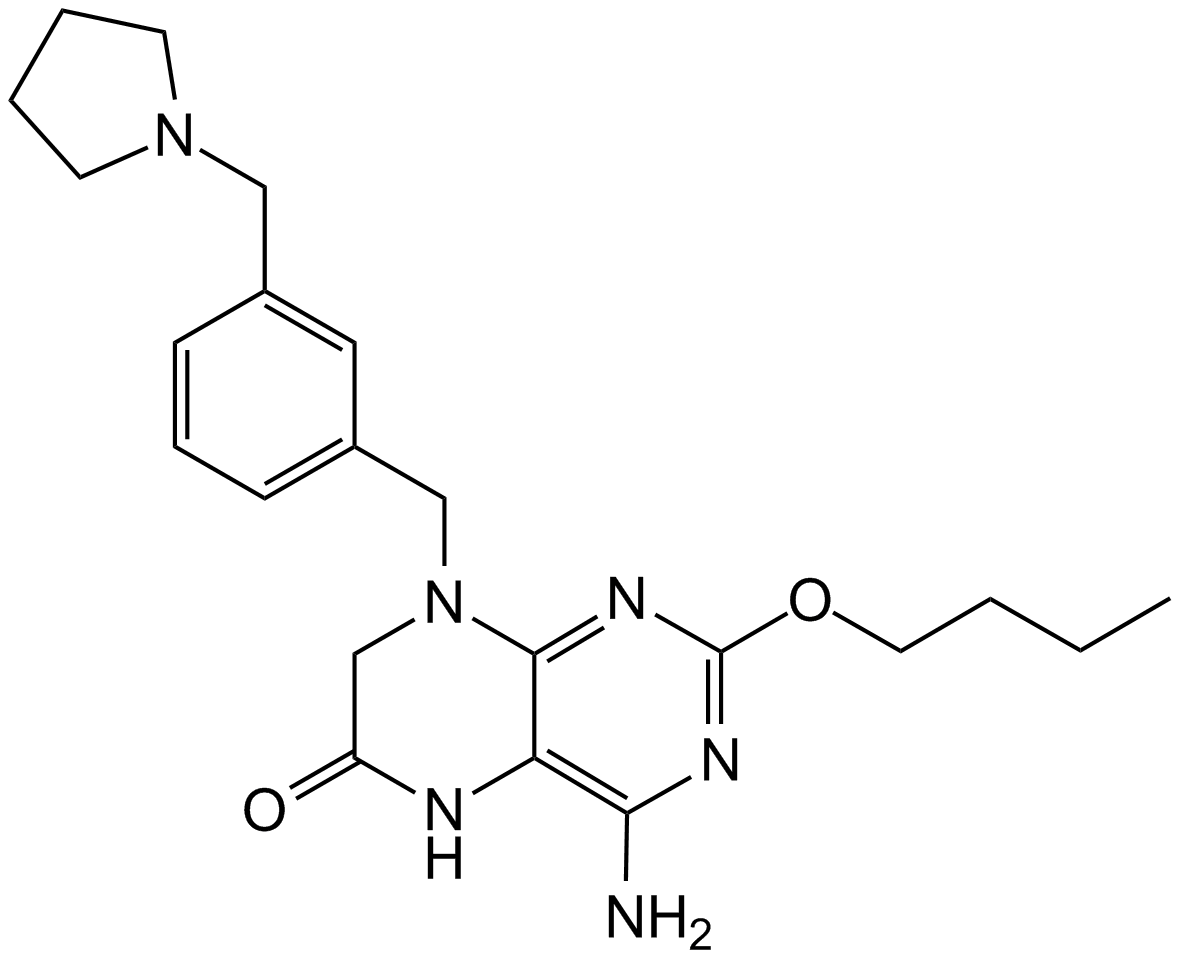
-
GF11023
Hecubine
Hecubine
Hecubine is a natural aspidosperma-type alkaloid found in E. officinalis, with anti-neuroinflammation properties. -
GC12544
Hydroxychloroquine Sulfate
HCQ, NSC 4375
Hydroxychloroquine Sulfate is a synthetic 4-aminoquinoline derivative that serves as an antimalarial drug.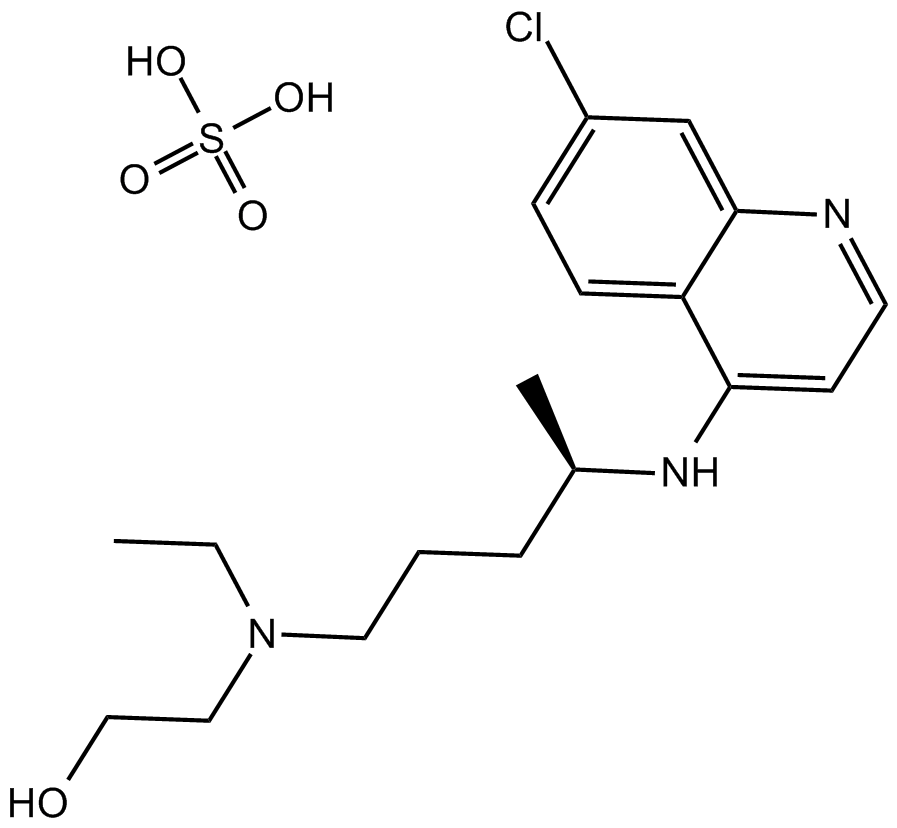
-
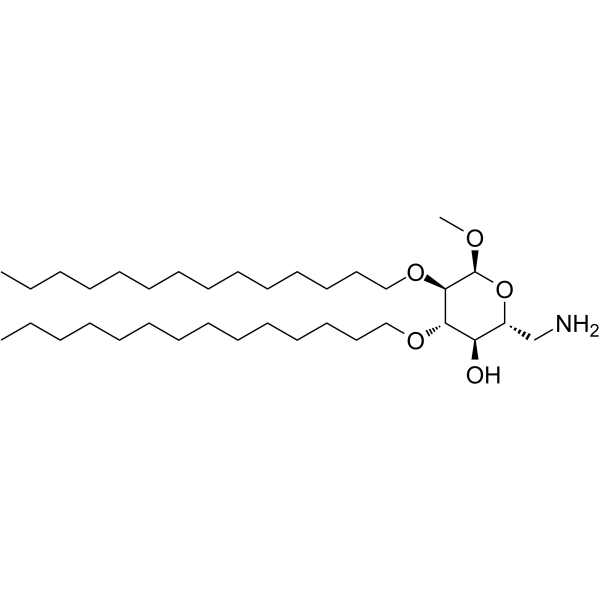
GC65365
IAXO-102
IAXO-102 is a TLR4 antagonist which negatively regulates TLR4 signalling.
-
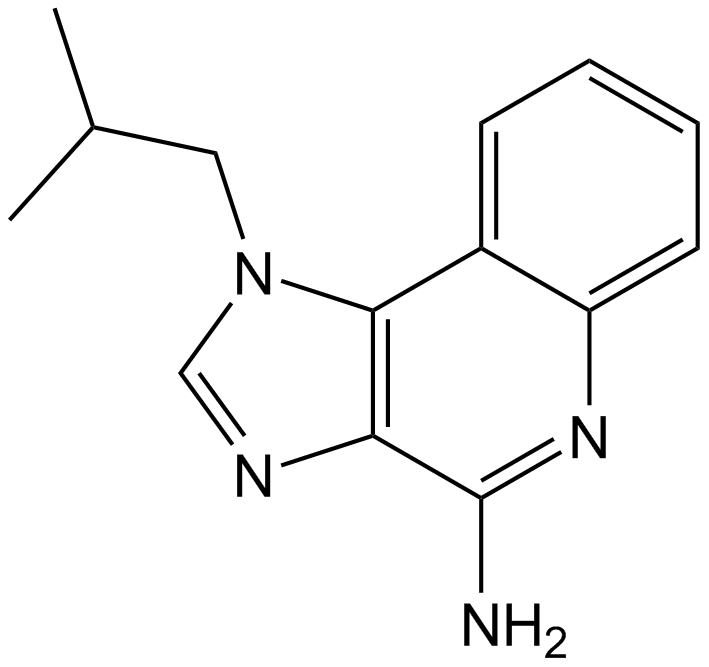
GC16407
Imiquimod
R-837, S-26308, TMX 101
TLR-7 agonist,immunomodulator with antiviral and antitumor activity
-
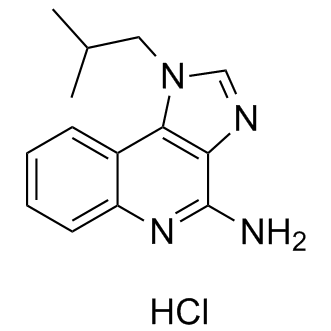
GC10712
Imiquimod hydrochloride
Toll-like receptor 7 agonist
-
GC12645
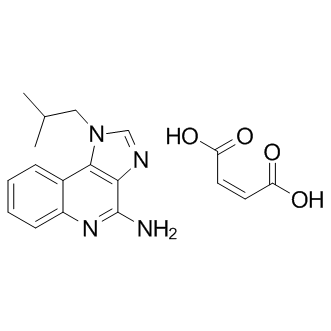
Imiquimod maleate
Immune response modifier
-
GC39134
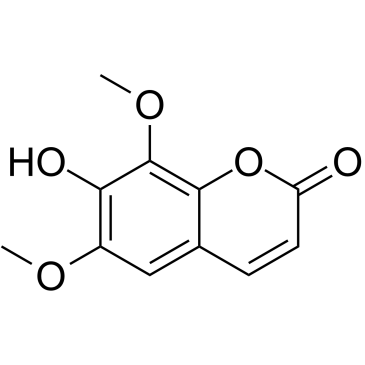
Isofraxidin
Isofraxidin, a coumarin component from Acanthopanax senticosus, inhibits MMP-7 expression and cell invasion of human hepatoma cells.
-
GC64417
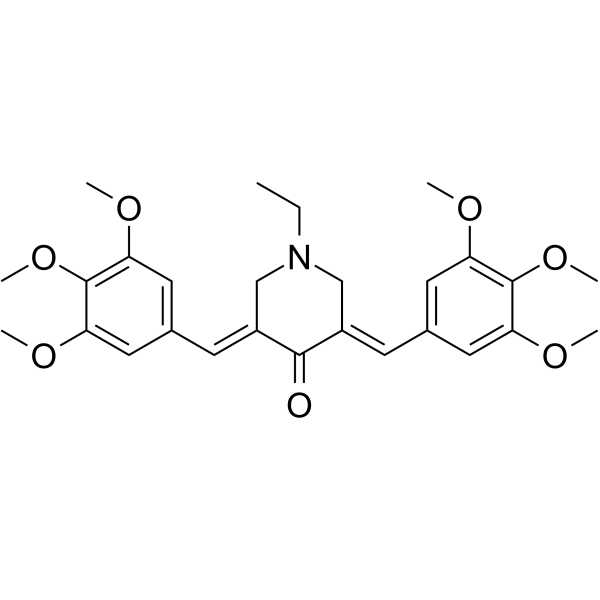
L48H37
L48H37 is an analog of Curcumin with improved chemical stability.
-
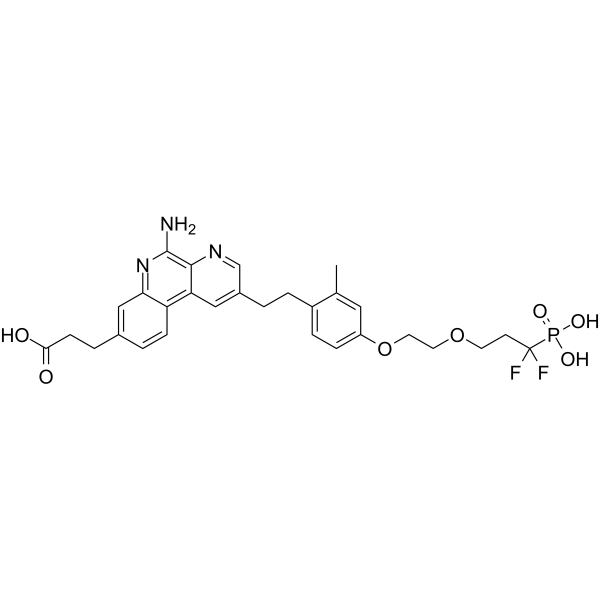
GC66478
LHC-165
LHC-165 is a TLR7 agonist. LHC-165 has potential to used in study of solid tumors.
-
GC65924
Lipopolysaccharides
LPS
Lipopolysaccharides (LPS) is an endotoxin derived from the outer leaflet of the outer membrane of Gram-negative bacteria. Lipopolysaccharides consists of an antigen O-specific chain, a core oligosaccharide and lipid A. Lipopolysaccharides is a pathogenic associated molecular pattern (PAMP) that activates the immune system. Lipopolysaccharides activates TLR-4 on immune cells. This product is derived from Escherichia coli O55:B5.
-
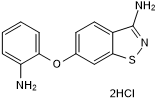
GC50241
M62812
TLR-4 inhibitor
-
GC79460
MC-Val-Cit-PAB-Amide-TLR7 agonist 4 formic
MC-Val-Cit-PAB-Amide-TLR7 agonist 4 formic (example 15) is a HER2-TLR7 and HER2-TLR8 immune agonist conjugate [1].

-
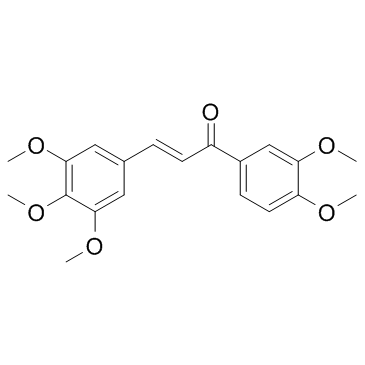
GC31776
MD2-IN-1
MD2-IN-1 is an inhibitor of Myeloid differentiation protein 2 (MD2) with a KD of 189 ?μM for the recombinant human MD2 (rhMD2).
-
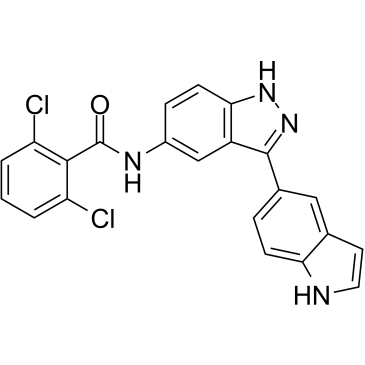
GC36578
MD2-TLR4-IN-1
MD2-TLR4-IN-1 (compound 22m) is an inhibitor of myeloid differentiation protein 2/toll-like receptor 4 (MD2-TLR4) complex, inhibiting lipopolysaccharides (LPS)-induced expression of tumor necrosis factor alpha (TNF-α) and interleukin-6 (IL-6) in macrophages with IC50 values of 0.89 μM and 0.53 μM, respectively.
-
GC64953
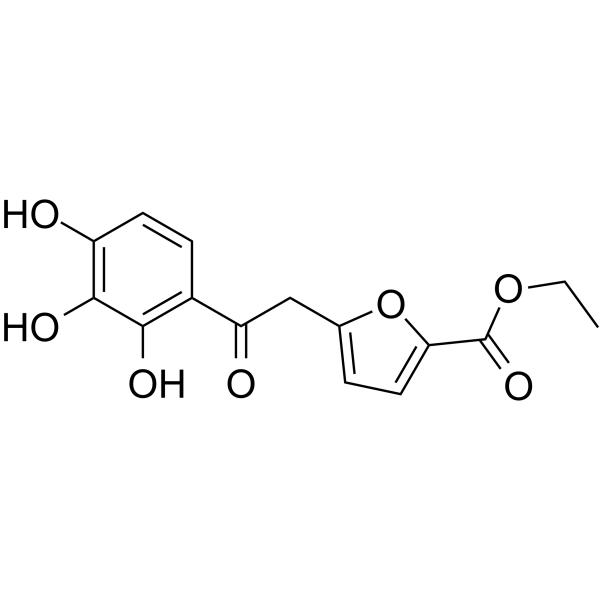
MMG-11
MMG-11 is a potent and selective human TLR2 antagonist with low cytotoxicity.
-
GC11168
Motolimod (VTX-2337)
VTX-2337
Motolimod (VTX-2337) (VTX-2337;VTX-378) is a selective Toll-like receptor 8 (TLR8) agonist, with an EC50 of approximately 100 nM.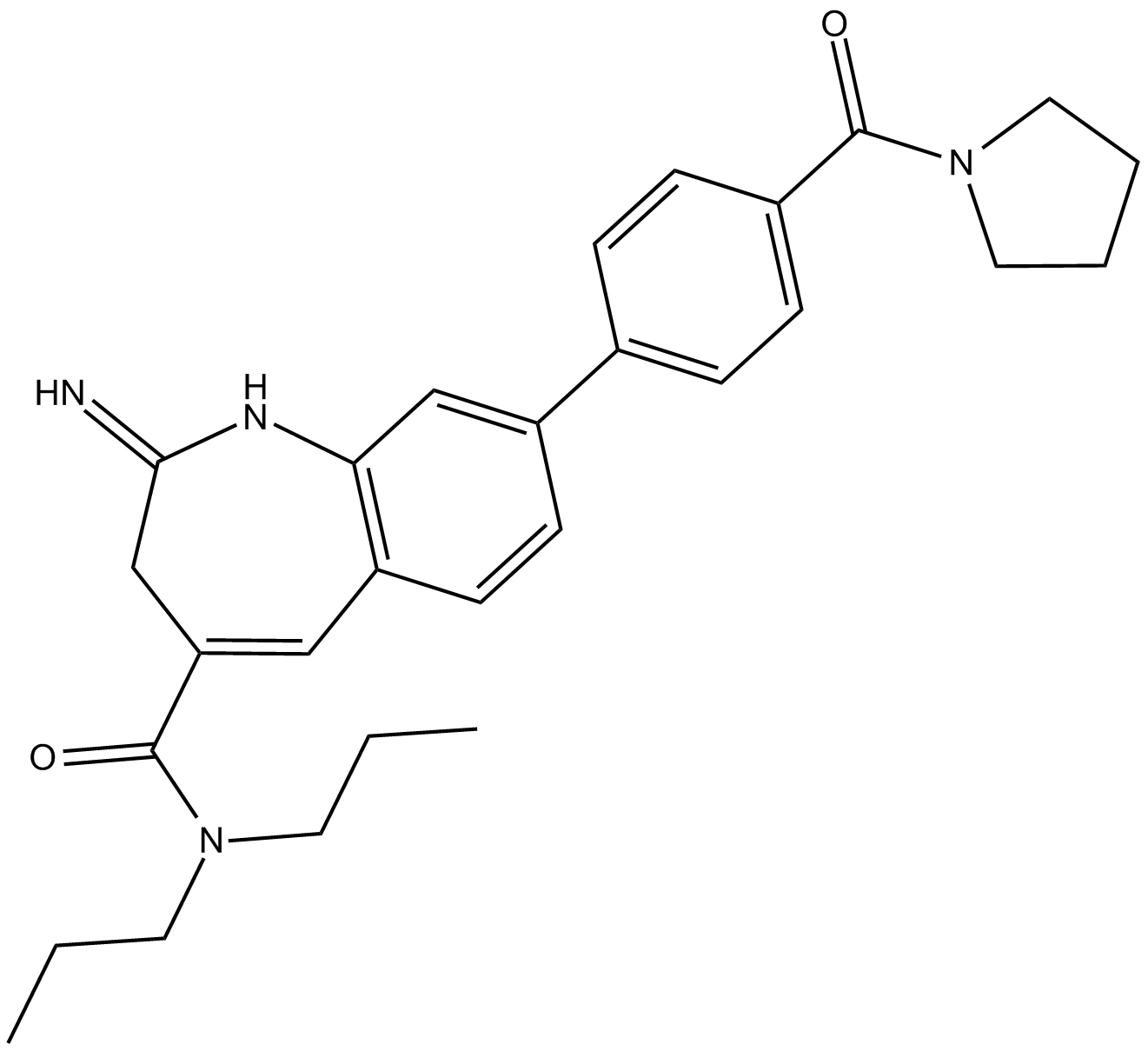
-
GC79391
MyD88-IN-3
MyD88-IN-3 is an orally active, selective MyD88 Inhibitor.

-
GC79433
NB-3
NB-3 is a nicotinamide adenine dinucleotide (NAD) hydrolase SARM1 inhibitor.

-
GC79435
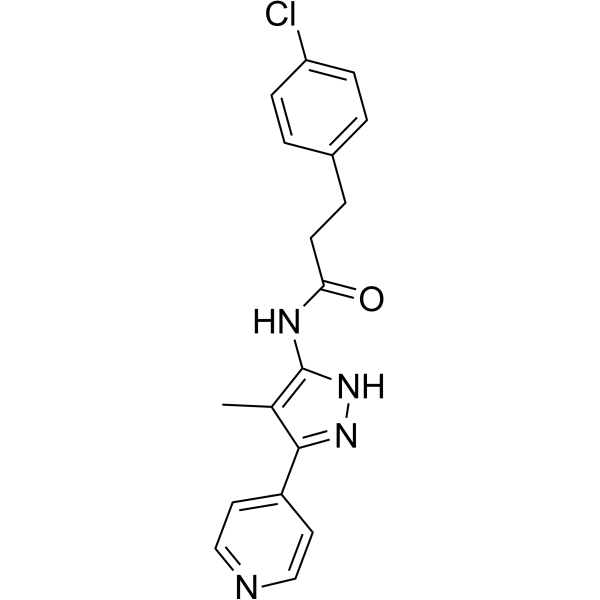
NB-7
NB-7 is a substituted pyridine derivative and SARM1 inhibitor.
-
GC33405
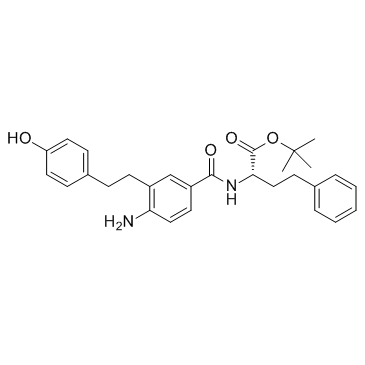
Neoseptin 3
Neoseptin 3 is a Toll-like receptor 4/myeloid differentiation factor 2 (mTLR4/MD-2) agonist with an EC50 of 18.5 μM.
-
GC66393
ODN 1018
1018 ISS
ODN 1018 (1018 ISS), an oligodeoxynucleotide, is a TLR-9 agonist. ODN 1018 is also a synthetic immunostimulatory sequence that can be used as vaccine adjuvant. Sequence: 5′-TGACTGTGAACGTTCGAGATGA-3′.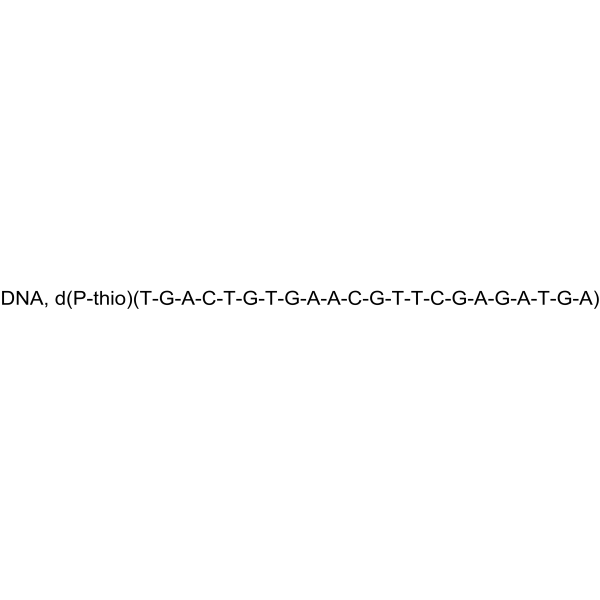
-
GC68294
ODN 1668
ODN 1668 is a synthetic oligodeoxynucleotide (ODN) containing CpG motifs and acts as an agonist of Toll-like receptor 9 (TLR9).

-
GC65448
ODN 1826
CpG 1826
ODN 1826, a class B CpG ODN (oligodeoxynucleotide), is a TLR9 agonist.
-
GC26414
ODN 1826 sodium
CpG 1826 sodium
ODN 1826 sodium is a specific agonist of TLR9. -
GC66341
ODN 2088
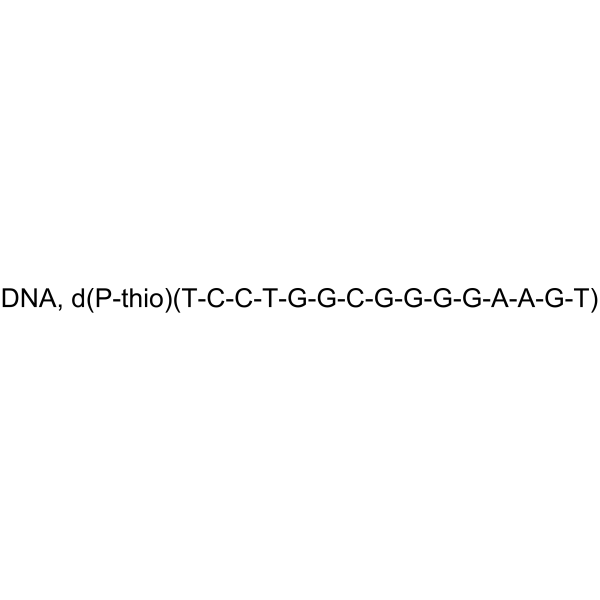
ODN 2088 is a potent TLR3, TLR7 and TLR9 inhibitor. ODN 2088 shows no cytotoxic. ODN 2088 inhibits the release of IFN-α and IL-6.
-
GC66339
ODN 2216
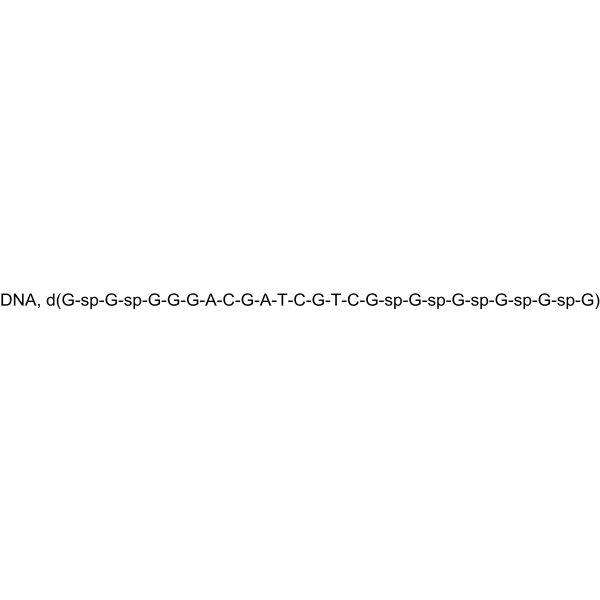
ODN 2216 is a TLR9 (toll-like receptor 9) ligand or agonist. ODN 2216 induces high amounts of IFN-α and IFN-β. ODN 2216 induces IFN-α by pDC (plasmacytoid DC) and IL-12 (p40) production by DC (dendritic cells). ODN 2216 stimulates IFN-γ production in peripheral blood mononuclear cells (PBMC), which is indirect and mediated by IFN-α/β. ODN 2216 can activate NK cells and promote IFN-γ production of TCR-triggered CD4+ T cells.
-
GC68292
ODN 2395
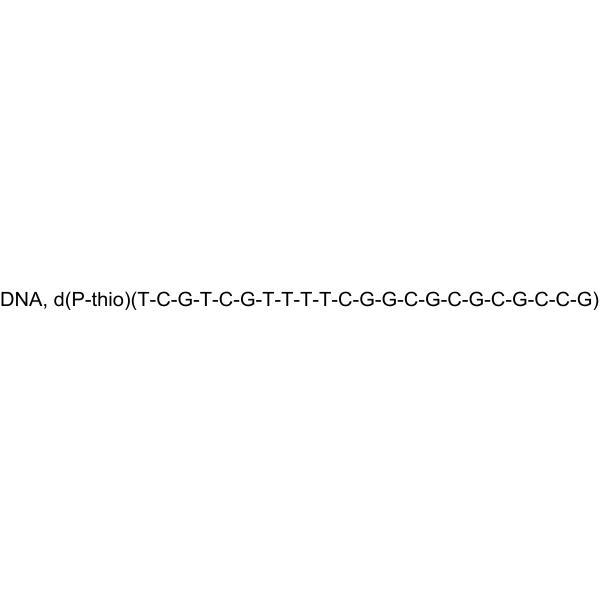
-
GC36794
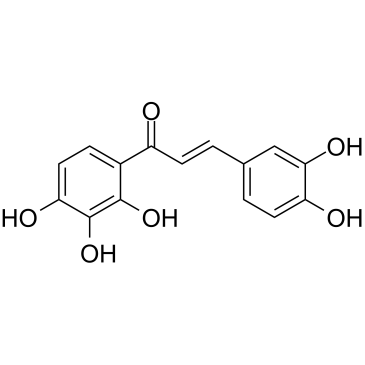
Okanin
Okanin, effective constituent of the flower tea Coreopsis tinctoria, attenuates LPS-induced microglial activation through inhibition of the TLR4/NF-κB signaling pathways.
-
GC10058
Pam2CSK4
Pam2CSK4 is a potent agonist of TLR2/TLR6, with an EC50 value of 0.015ng/ml.

-
GC13200
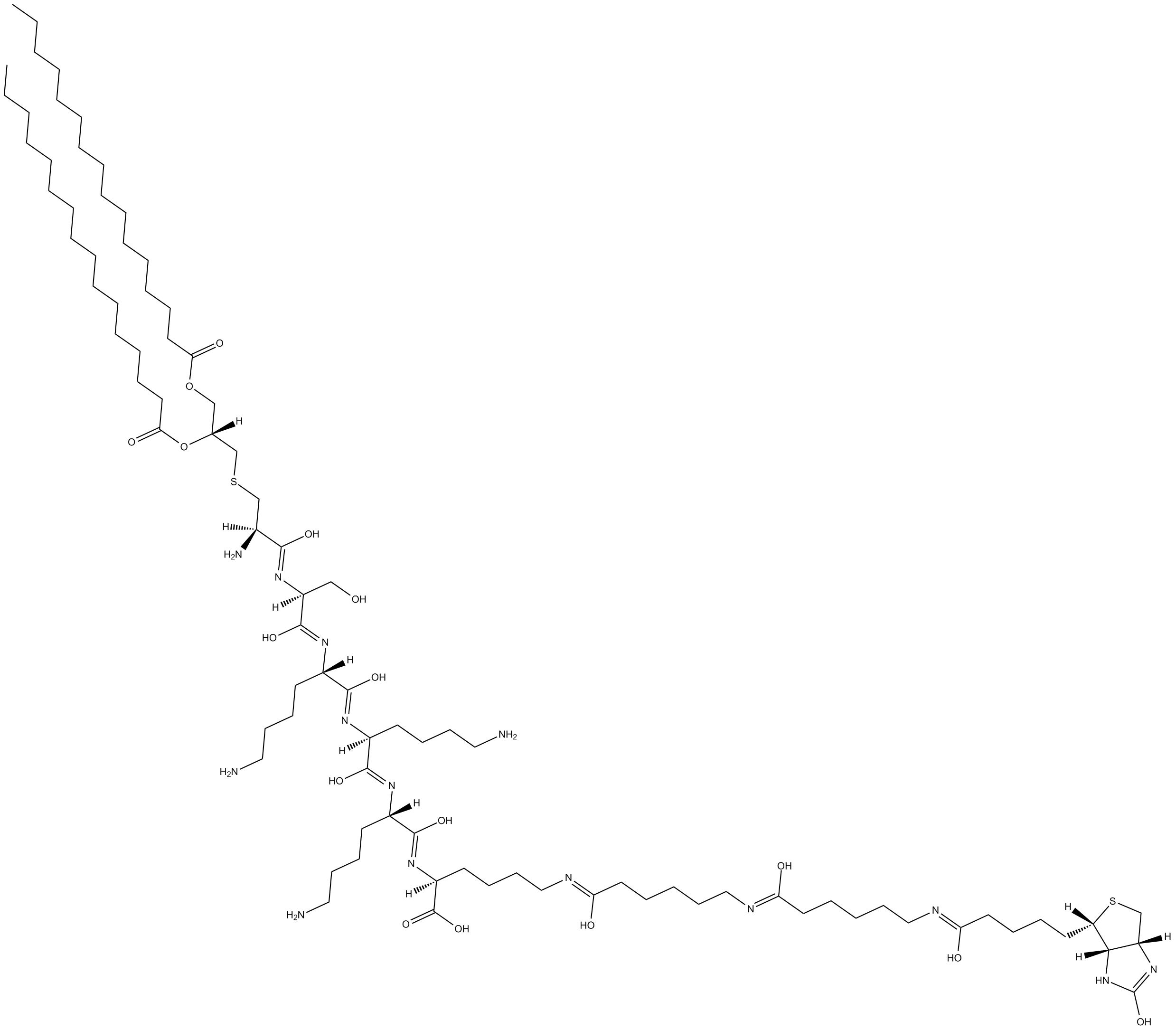
Pam2CSK4 Biotin
biotinylated Pam2CSK4, a toll-like receptor 2/6 agonist
-
GC10273
Pam3CSK4
Pam3Cys-Ser-(Lys)4
Pam3CSK4 is a synthetic triacylated lipopeptide (LP) and a TLR2/TLR1 ligand agonist with an EC50 value of 0.47ng/ml.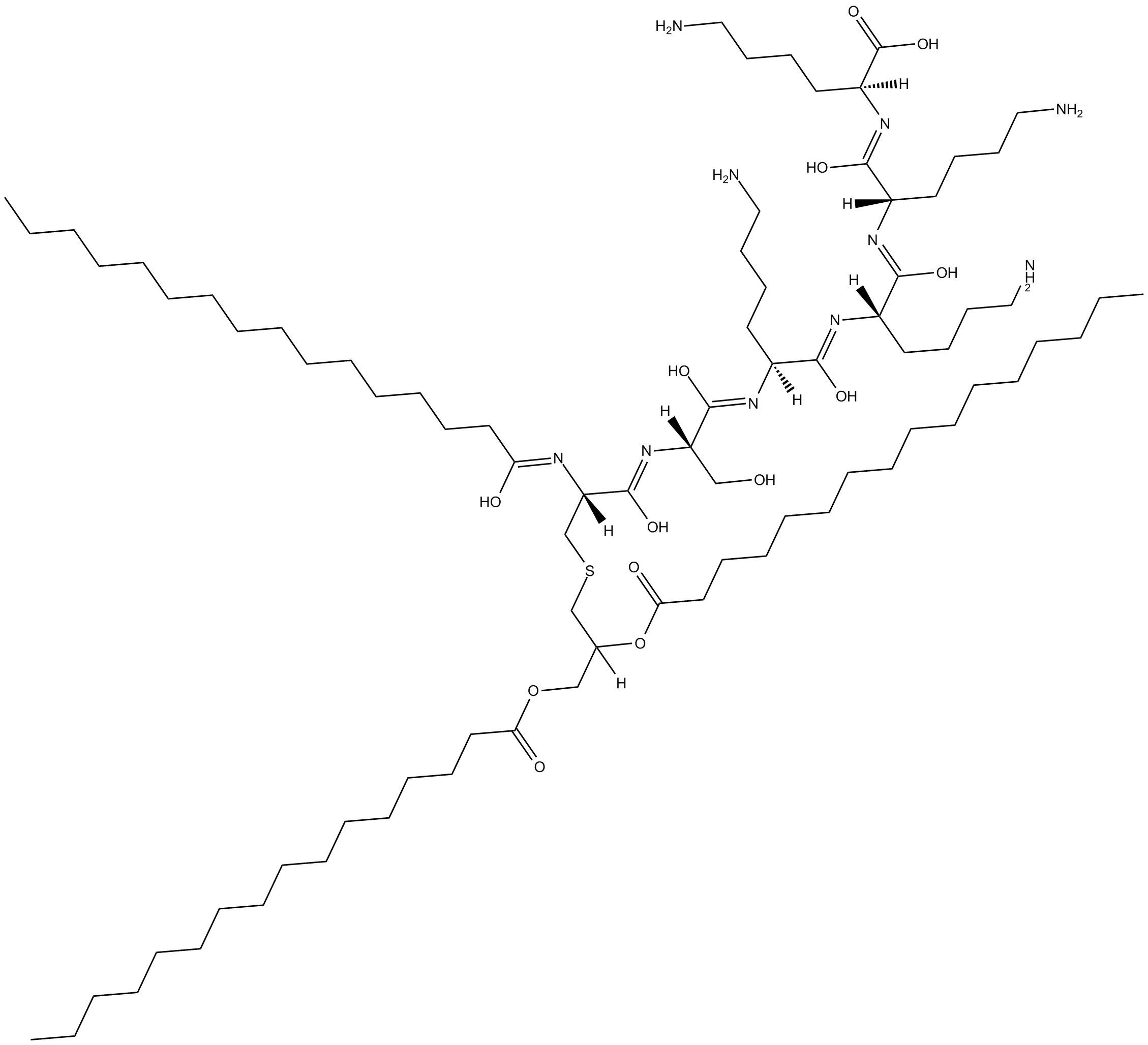
-
GC16445
Pam3CSK4 Biotin
Pam3Cys-Ser-(Lys)4-Biotin
biotinylated Pam3CSK4, a toll-like receptor 1/2 agonist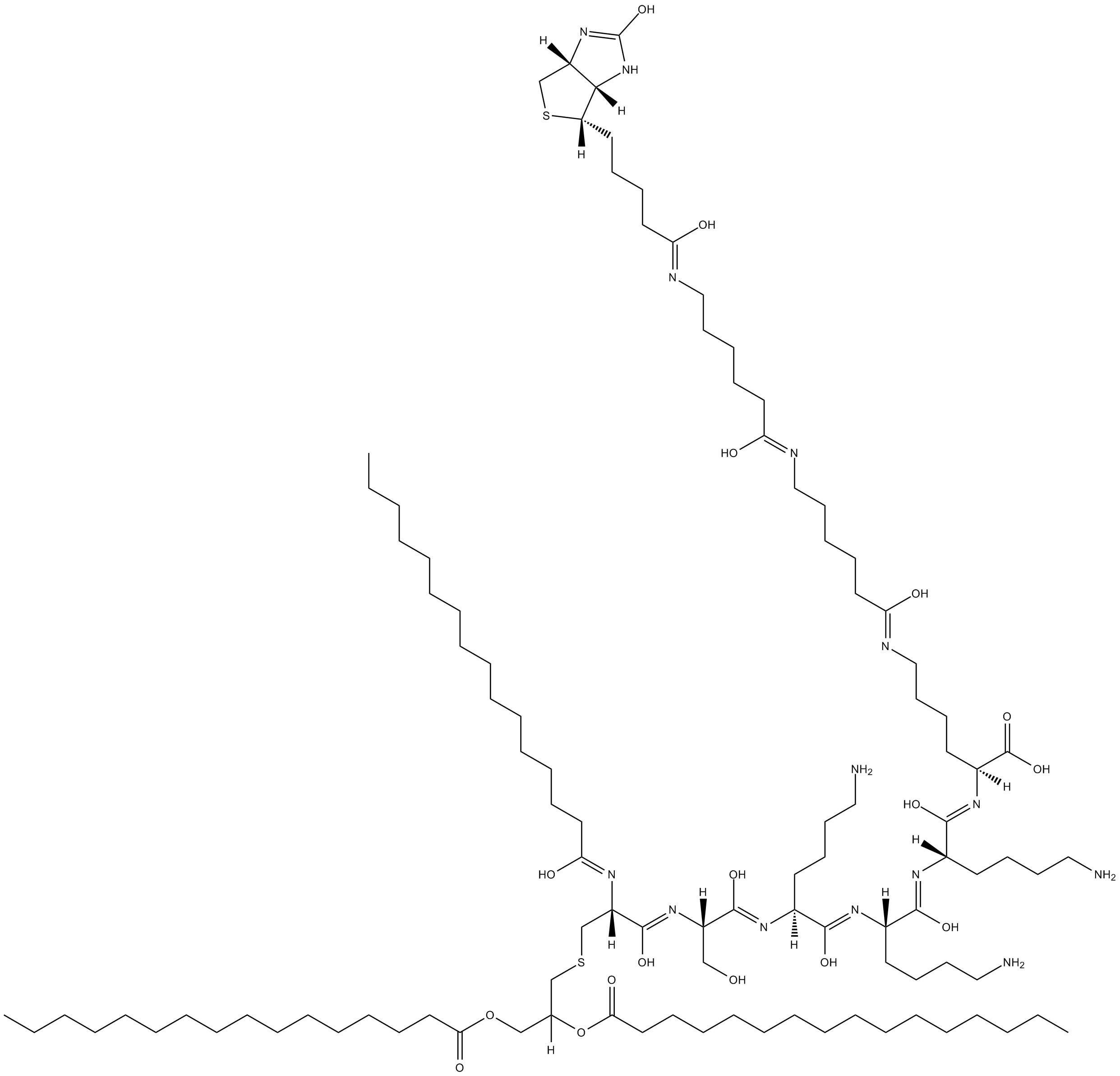
-
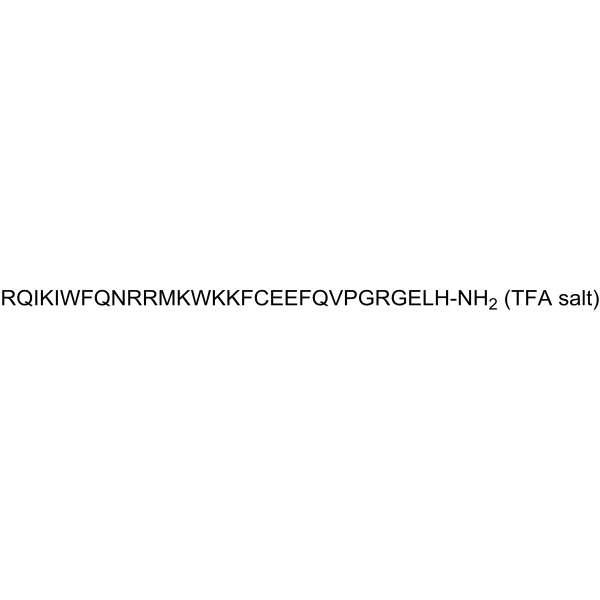
GC64486
Pepinh-TRIF TFA
Pepinh-TRIF (TFA) is a 30 aa peptide that blocks TIR-domain-containing adapter-inducing interferon-β (TRIF) signaling by interfering with TLR-TRIF interaction.
-
GC31792
PF-4878691 (3M-852A)
3M-852A
PF-4878691 (3M-852A) (3M-852A) is a potent, orally active, and selective Toll-like receptor 7 (TLR7) agonist modelled to dissociate its antiviral and inflammatory activities.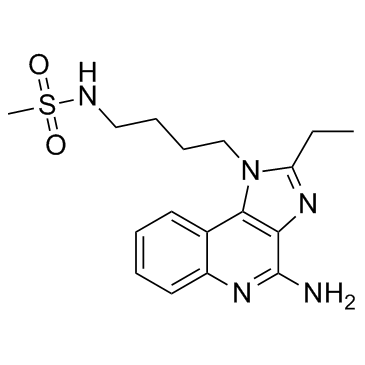
-
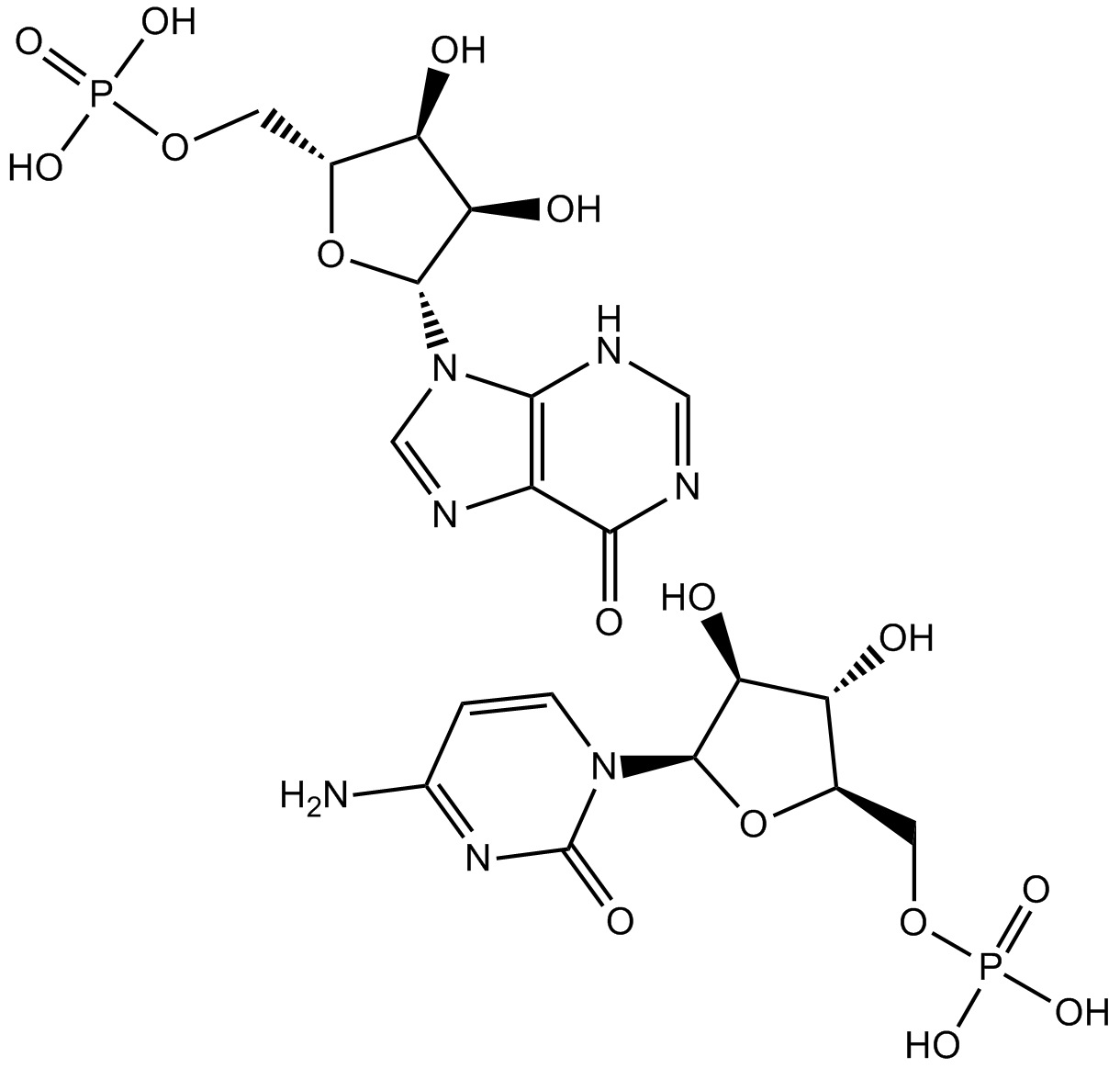
GC14710
Poly(I:C)
Polyinosinic-polycytidylic acid
Poly (I:C), a synthetic double-stranded RNA (dsRNA) analog, is an immunostimulant that acts as the most potent interferon (IFN) inducer.
-
GN10312
Polygalasaponin F
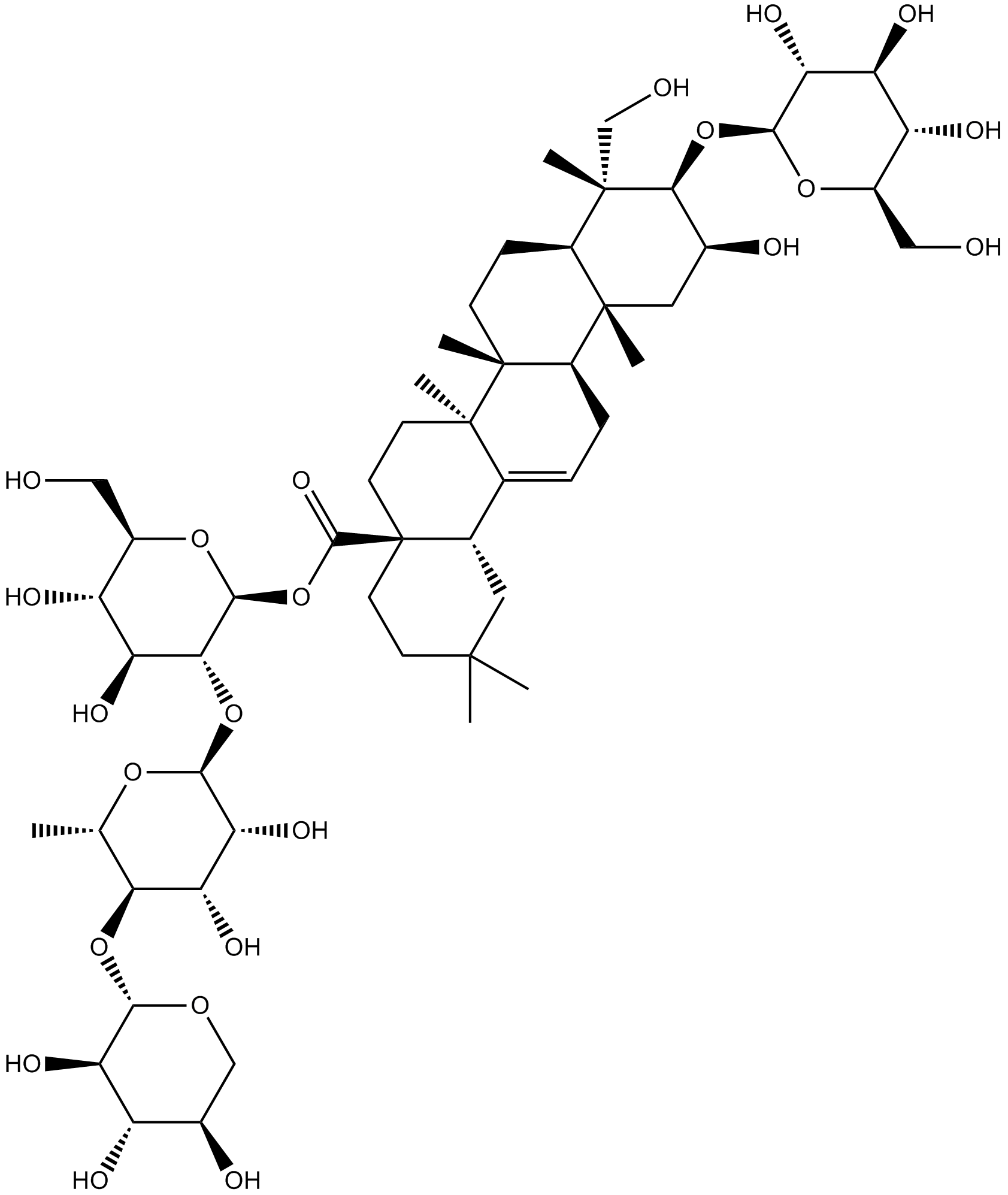
-
GC13800
Polyinosinic-polycytidylic Acid (potassium salt)
Poly(I:C)
synthetic dsRNA that activates TLR3 and retinoic acid inducible gene 1 (RIG-1)-like receptors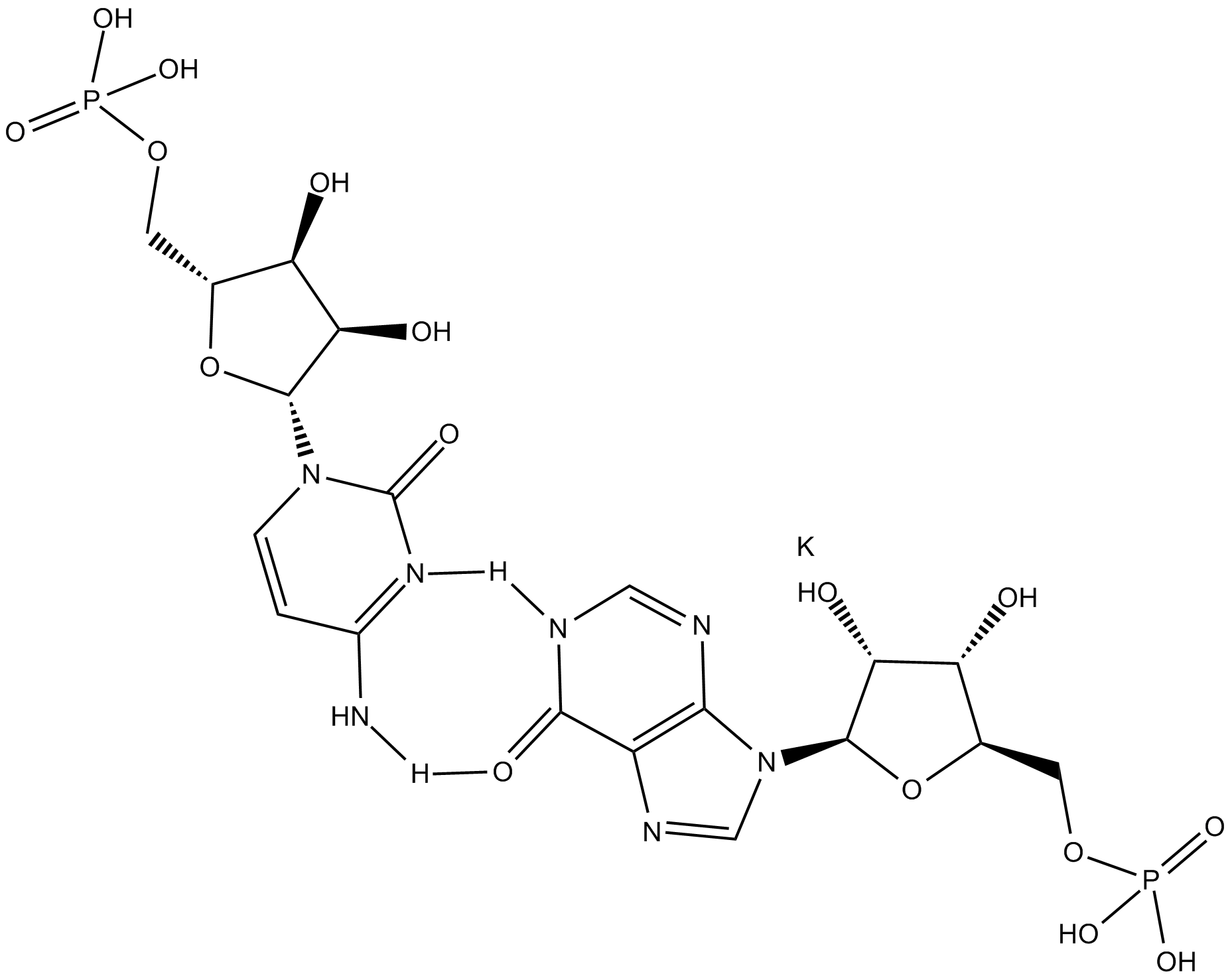
-
GC60297
Polyinosinic-polycytidylic acid sodium
Polyinosinic-polycytidylic acid sodium(Poly I:C) is a synthetic dsRNA that can imitate a viral infection and elicit host immune responses by triggering specific pattern-recognition receptors (PRRs) such as toll-like receptor 3(TLR3) and retinoic acid inducible gene I(RIG-I)-like receptors, including RIG-I and melanoma differentiation-associated gene.
-
GN10348
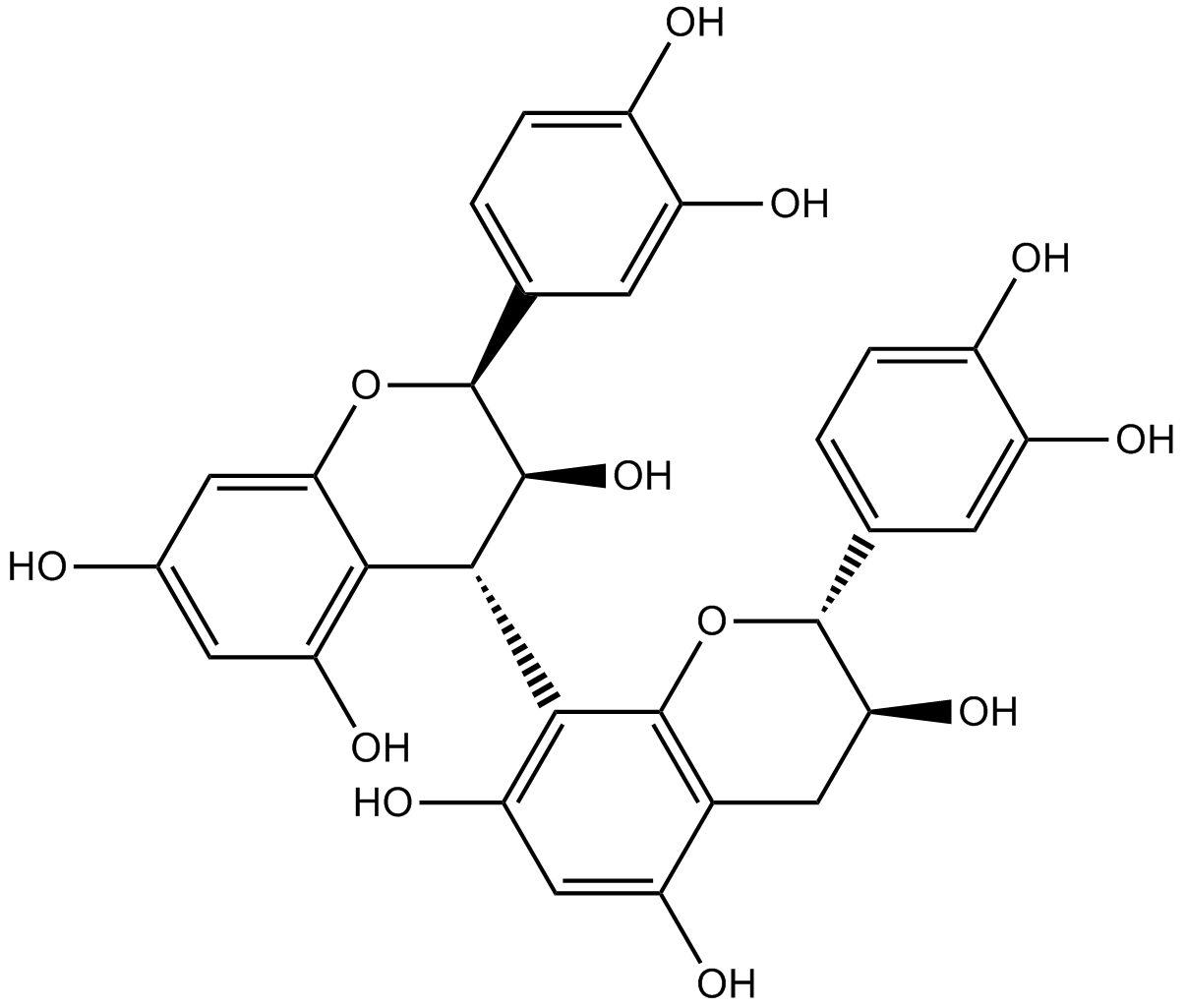
Proanthocyanidin B1
(-)-Epicatechin-(4β-8)-(+)-catechin, Proanthocyanidin B1, Procyanidol B1
-
GC79676
PTPRO-IN-1
PTPRO-IN-1 is a selective, orally active PTPRO inhibitor with an IC50 of 0.16 μM.

-
GC13650
Resiquimod (R-848)
Resiquimod, S 28463
Resiquimod (R848) is an imidazoquinoline compound with potential antiviral activity.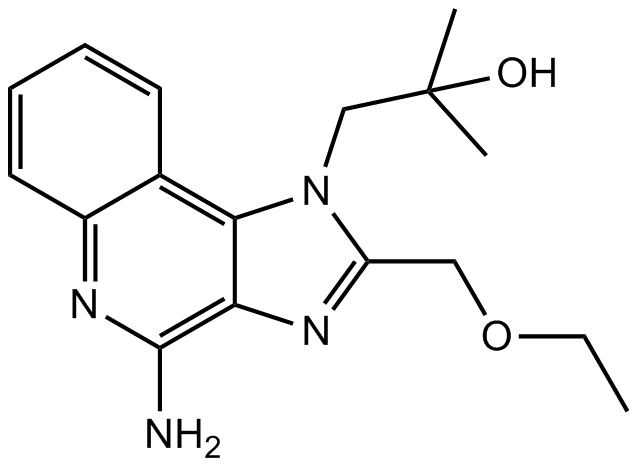
-
GC62636
Resiquimod-d5
R848-d5; S28463-d5
Resiquimod-d5 (R848-d5) is deuterium labeled Resiquimod.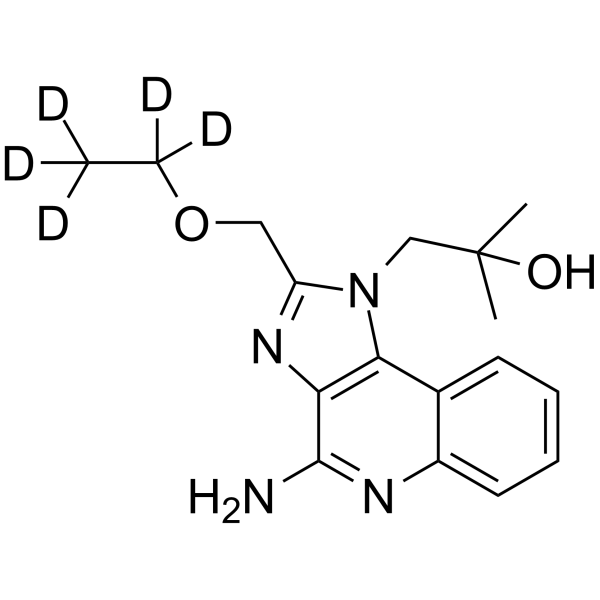
-
GC78903
Retrocyclin-101 TFA
RC-101 TFA
Retrocyclin-101 (RC-101) TFA is an artificially synthesized, cyclic-structured θ-defensin, a broad-spectrum agent with antimicrobial (covering viruses, bacteria, and fungi) activity and anti-inflammatory activity. -
GC60328
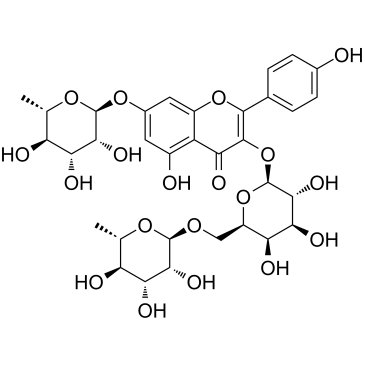
Robinin
Robinin is present in?flavonoid?fraction of?Vigna unguiculata?leaf.
-
GC50297
RS 09
RS 09 is a synthetic peptide that can activate the TLR-4 signaling pathway. RS 09 can function as an adjuvant to enhance the immune response in BALB/c mice.

-
GC63760
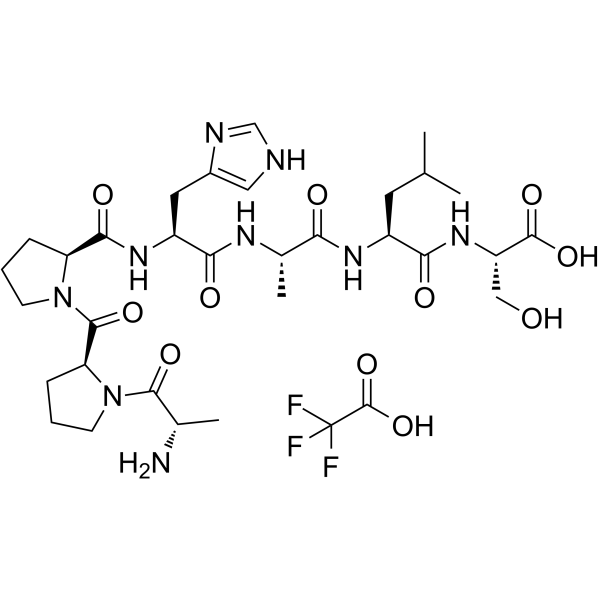
RS 09 TFA
RS 09 TFA is a TLR4 agonist.
-
GC16538
RWJ 21757
7-Allyl-8-Oxoguanosine, RWJ 21757
RWJ 21757 (7-Allyl-8-oxoguanosine) is a guanosine analog with anti-viral and anti-tumor activities.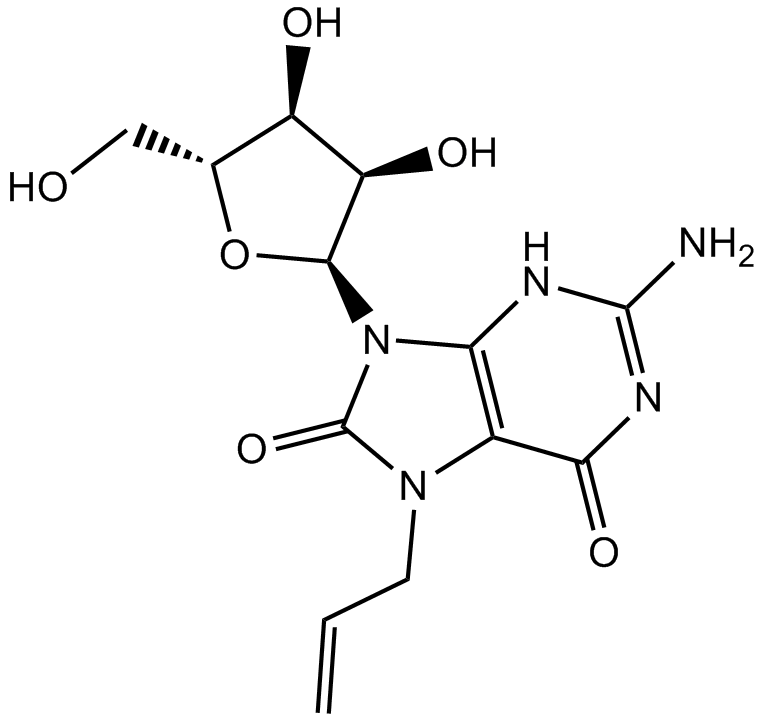
-
GC79437
SARM1-IN-9
SARM1-IN-9 (Compound MY-13B) is a stereoselective SARM1 inhibitor.

-
GN10091
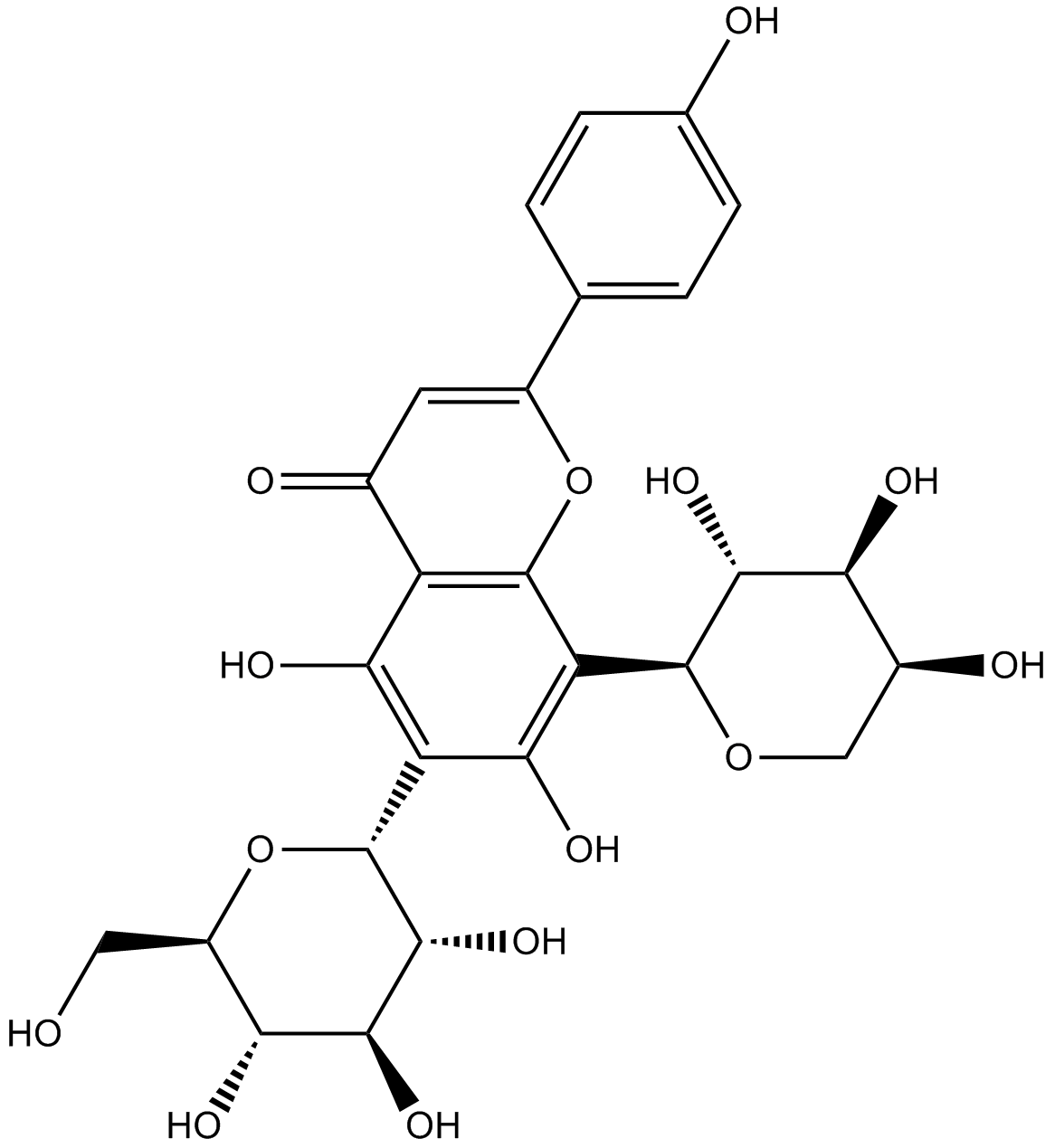
Schaftoside
Apigenin 6-C-glucoside-8-C-arabinoside
-
GC50165
SM 324405
Potent TLR7 agonist